
Everything I Wish Every Couple Knew Before Their Engagement Session
After years of shooting engagement sessions across the New York Tri-State area, I can tell you the sessions that turn out the best usually happen with a little preparation and relaxed mindset going in. We’ll have a phone call before where we’ll discus when and where we shoot, I’ll make suggestions on what you could wear, and how you show up mentally to the session. Remember it’s a relaxed low pressure and low stakes session where we’ll get to know each other and I’ll get a sense of how much direction you may want or need, and you’ll get a sense of how I work. This is some advice I give every couple who books me, laid out in one place so you can plan ahead.
Why your engagement session matters more than you think
A lot of couples treat their engagement session as an afterthought — an optional box to check before the wedding because it’s sometimes included in wedding packages. Here’s how you should look at it. This is the one time where it's just the two of you, no guest list, no timeline pressure, no family opinions. It's also, practically speaking, your first real photo session together, and it does double duty: save-the-dates, a guest book, a slideshow at the reception, and — just as important — a low-stakes chance for us to work together before your wedding day, so you already know how to move, where to look, and what it feels like to be photographed by me. Couples who've done an engagement session are now “experienced” and almost always more relaxed in front of the camera on their wedding day. That alone, should convince you not to treat it as an optional step in your wedding prep.
Choosing your location: what actually matters
This is where I see couples overthink the wrong things and underthink the right ones. A few principles I come back to every time:
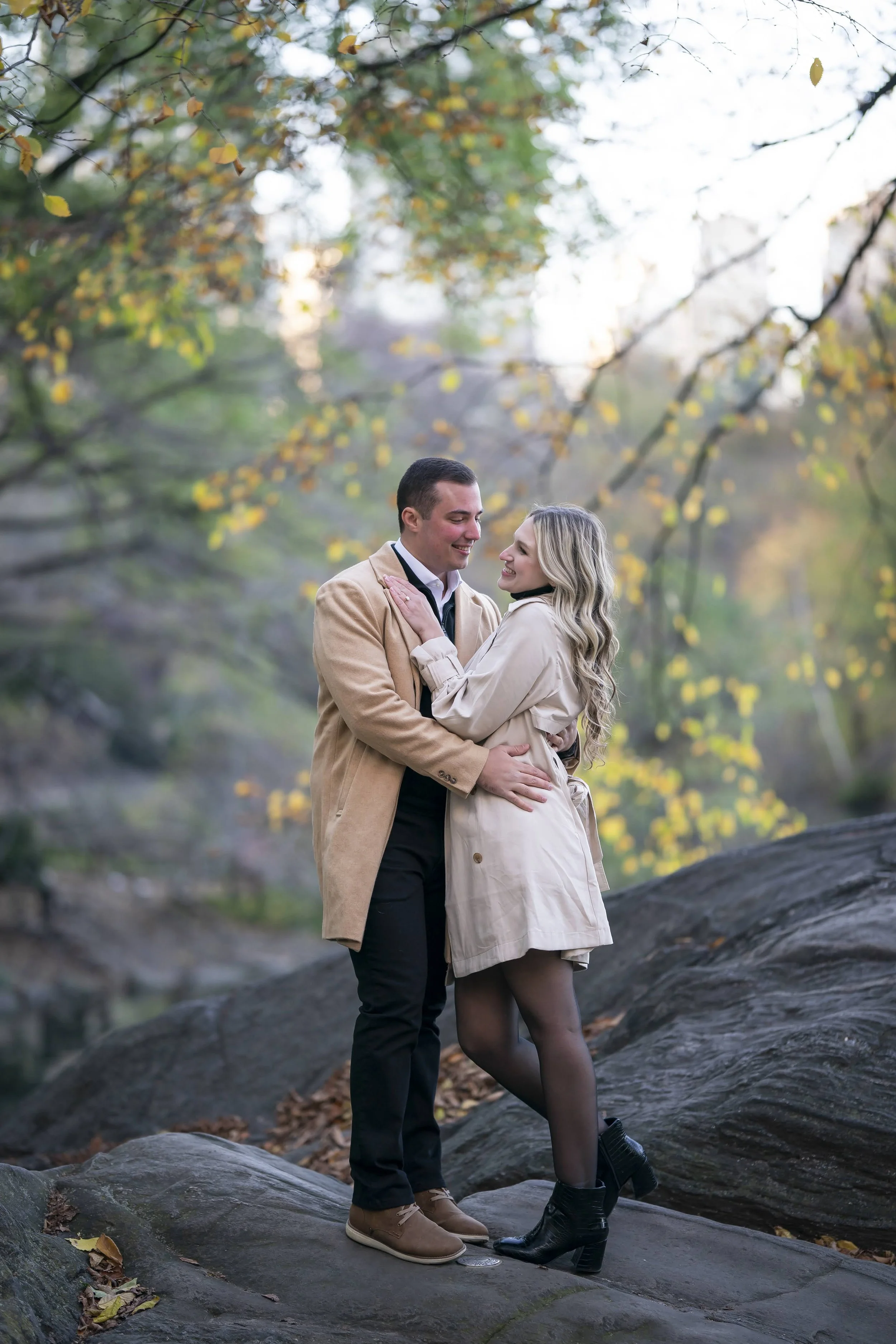
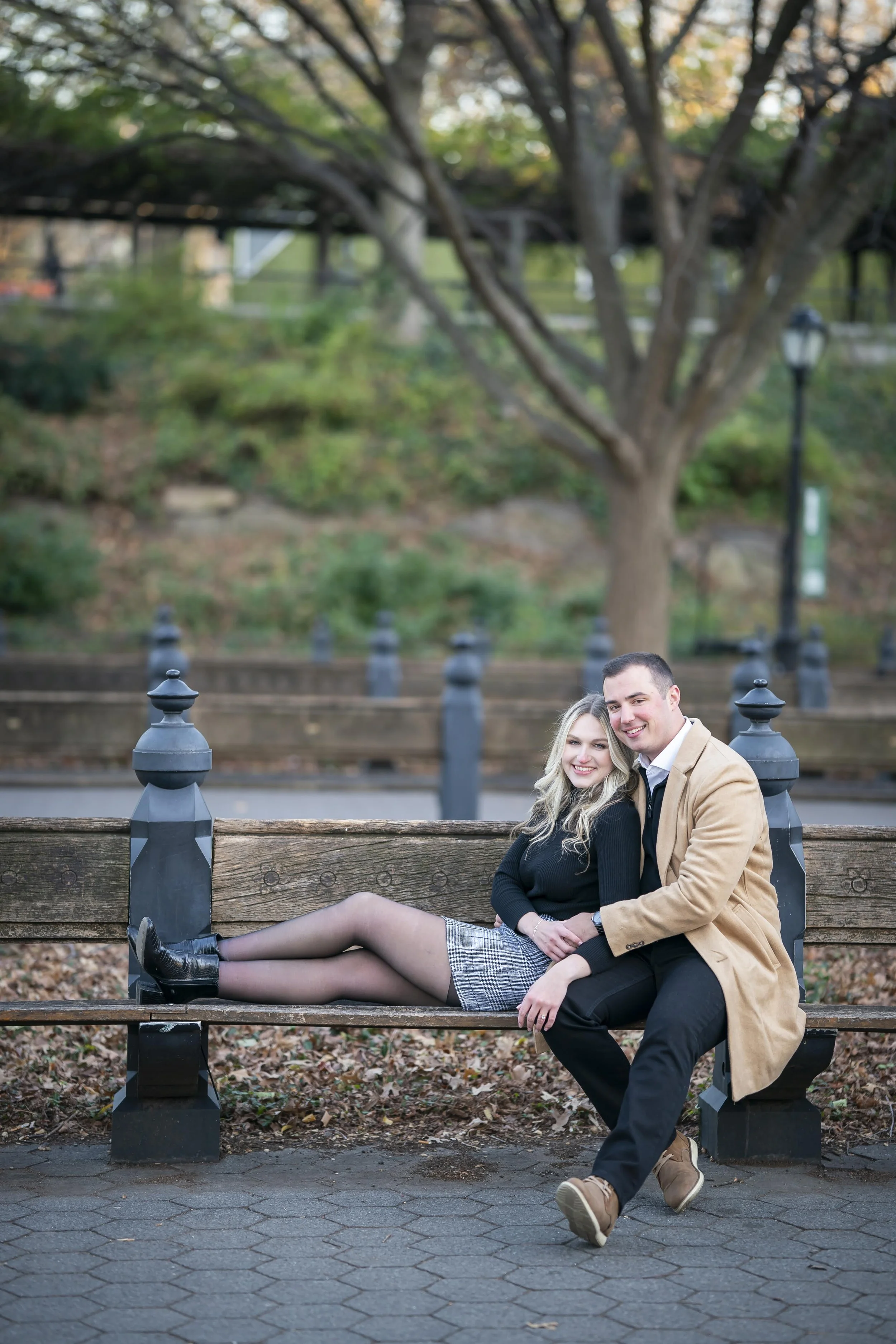
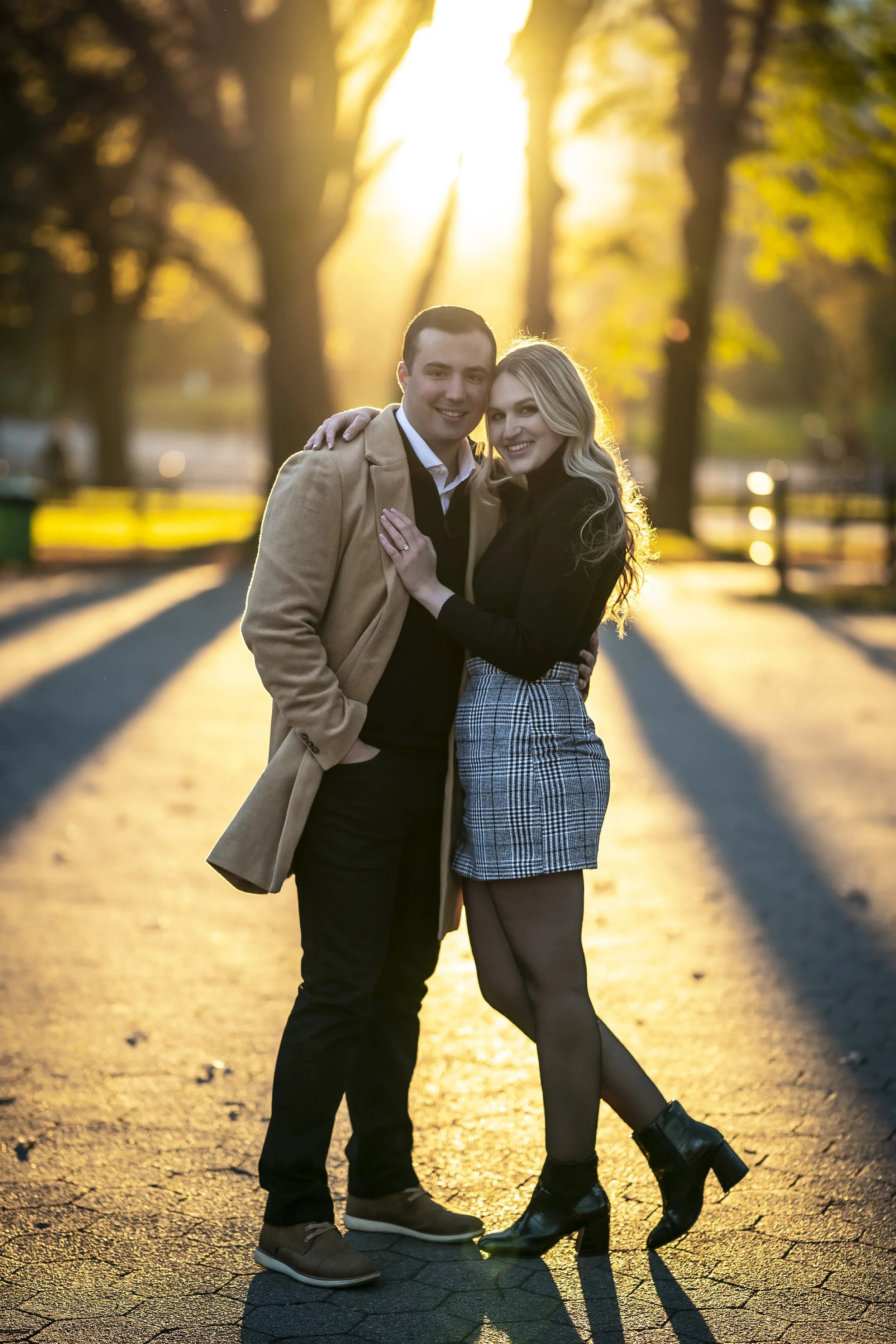
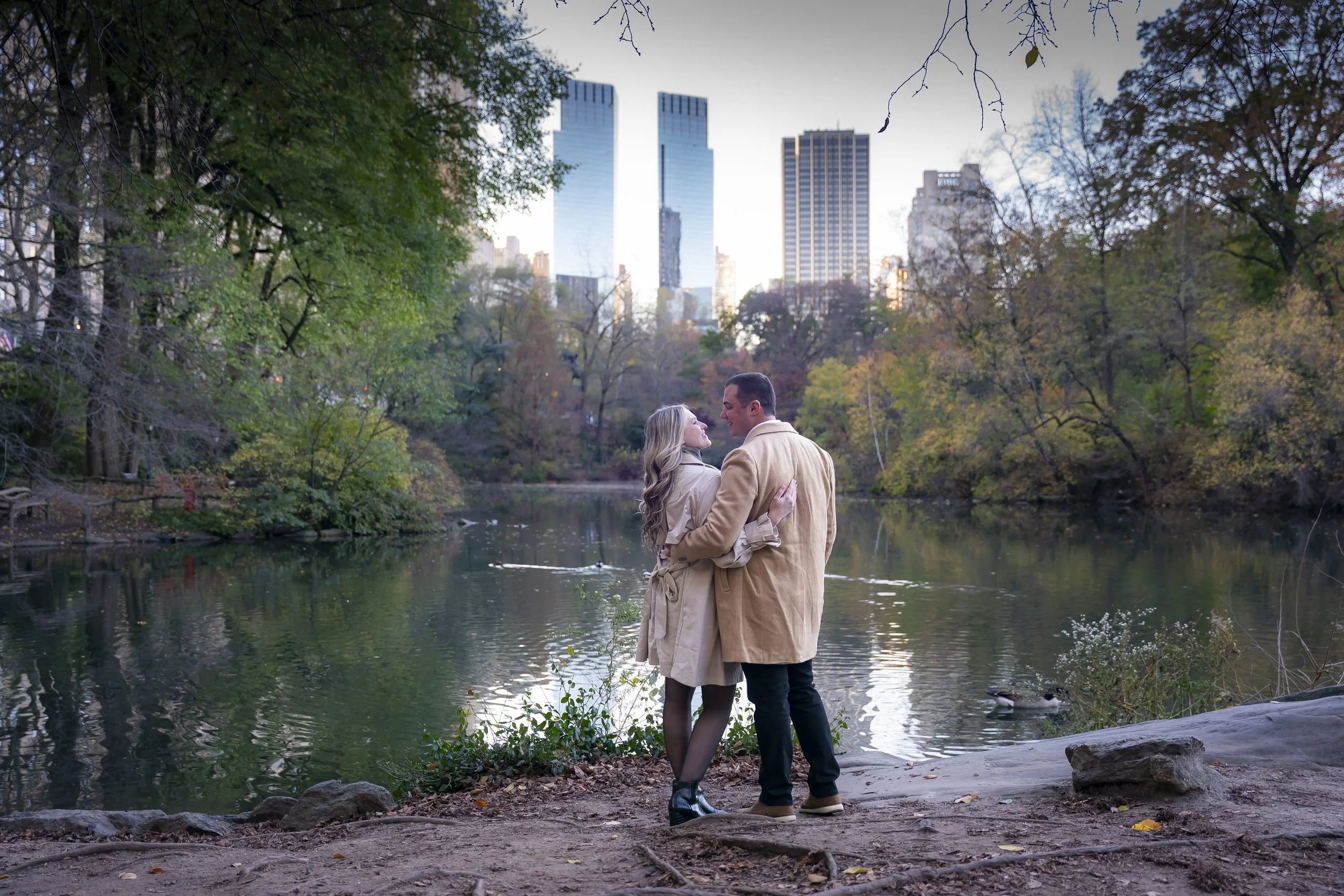
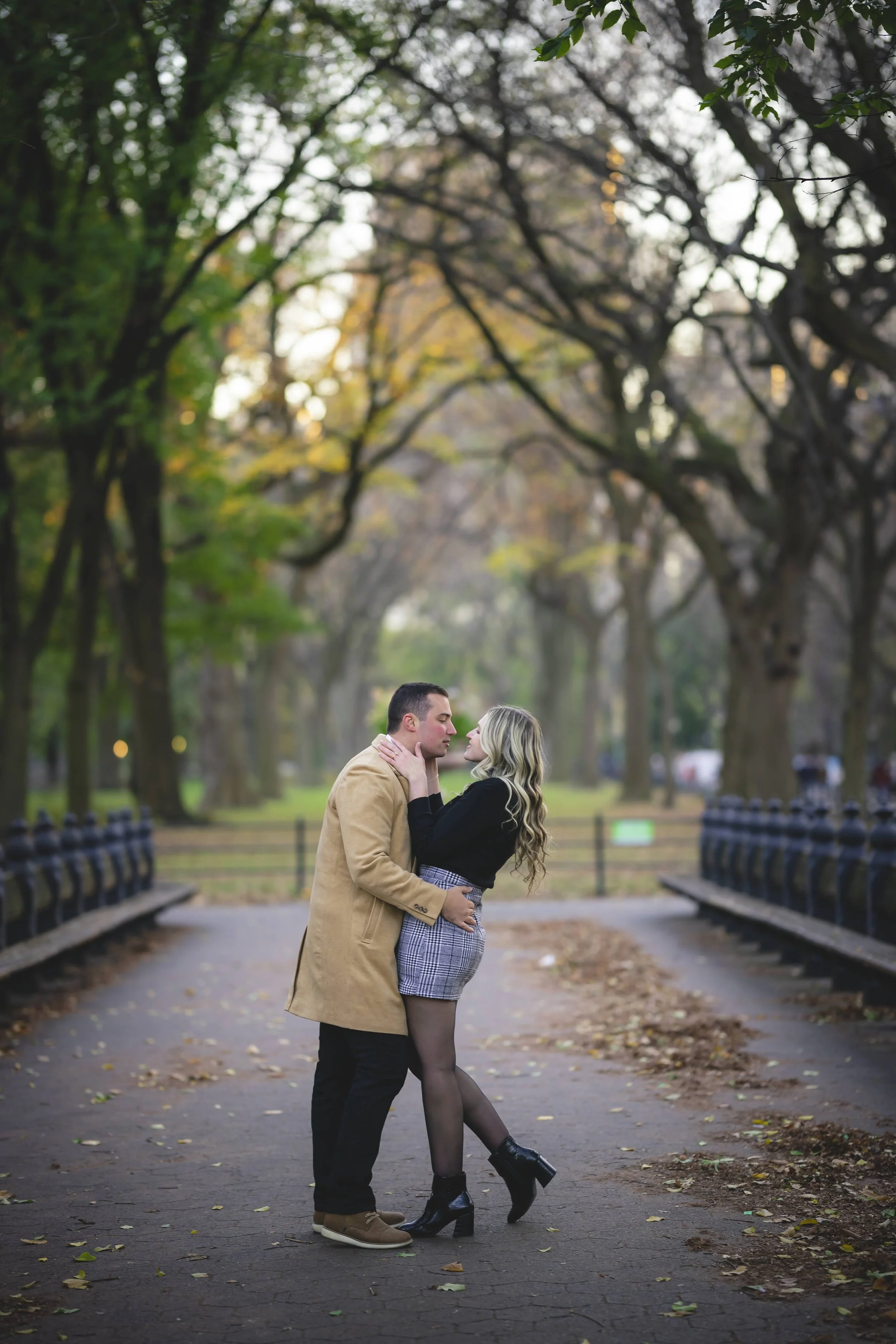
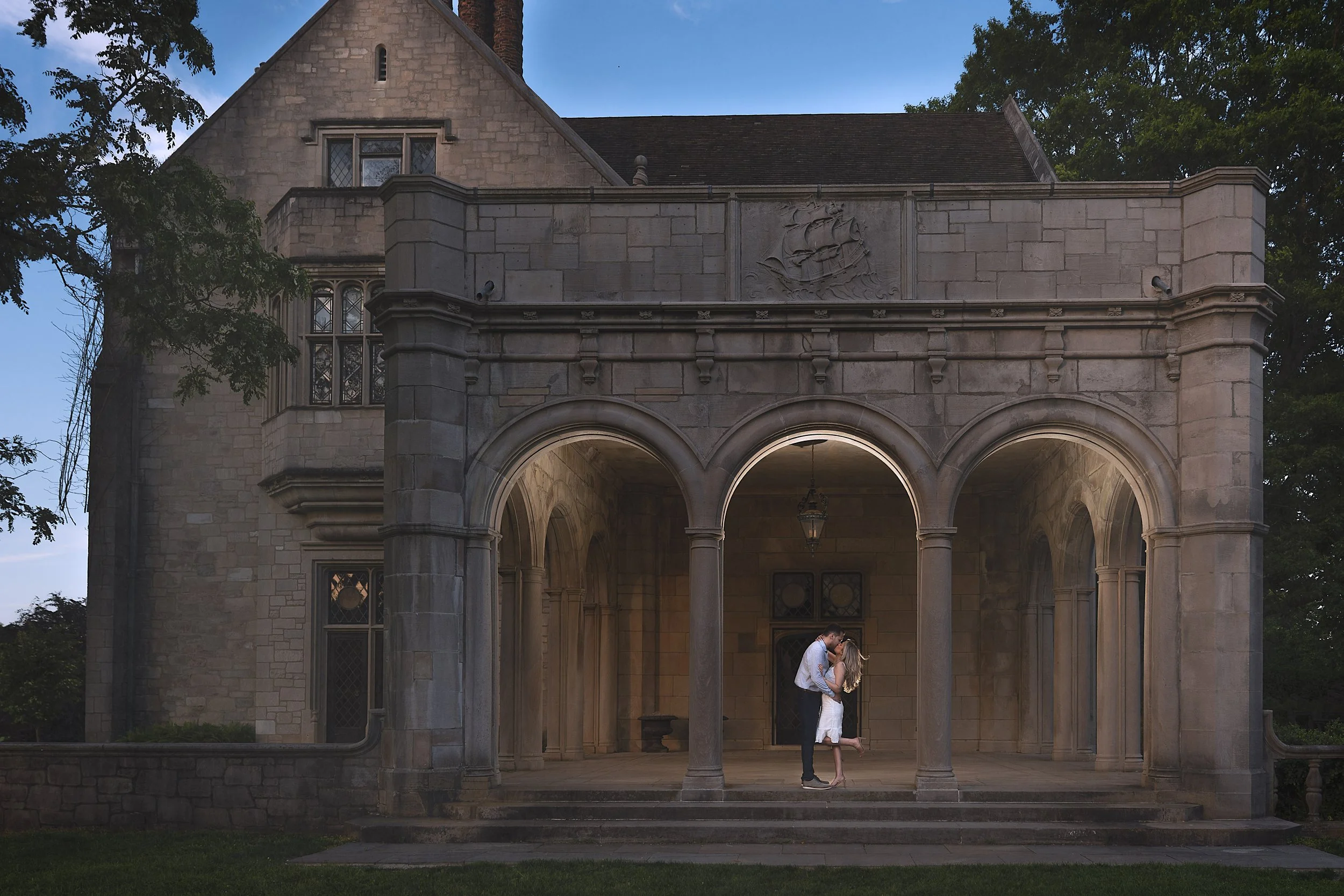
Pick an outdoor space that is not only sentimental but also offers a good variety of environmental backdrops as well. The cafe or restaurant where you had your first date may have meaning to you as a couple, but might not provide the best setting for nice photos. Prioritize choosing outdoor space with a variety of different environmental backdrops. Outdoor photos in natural light during golden hour or sunset will always look better than indoor photos with coffee shop or restaurant lighting.
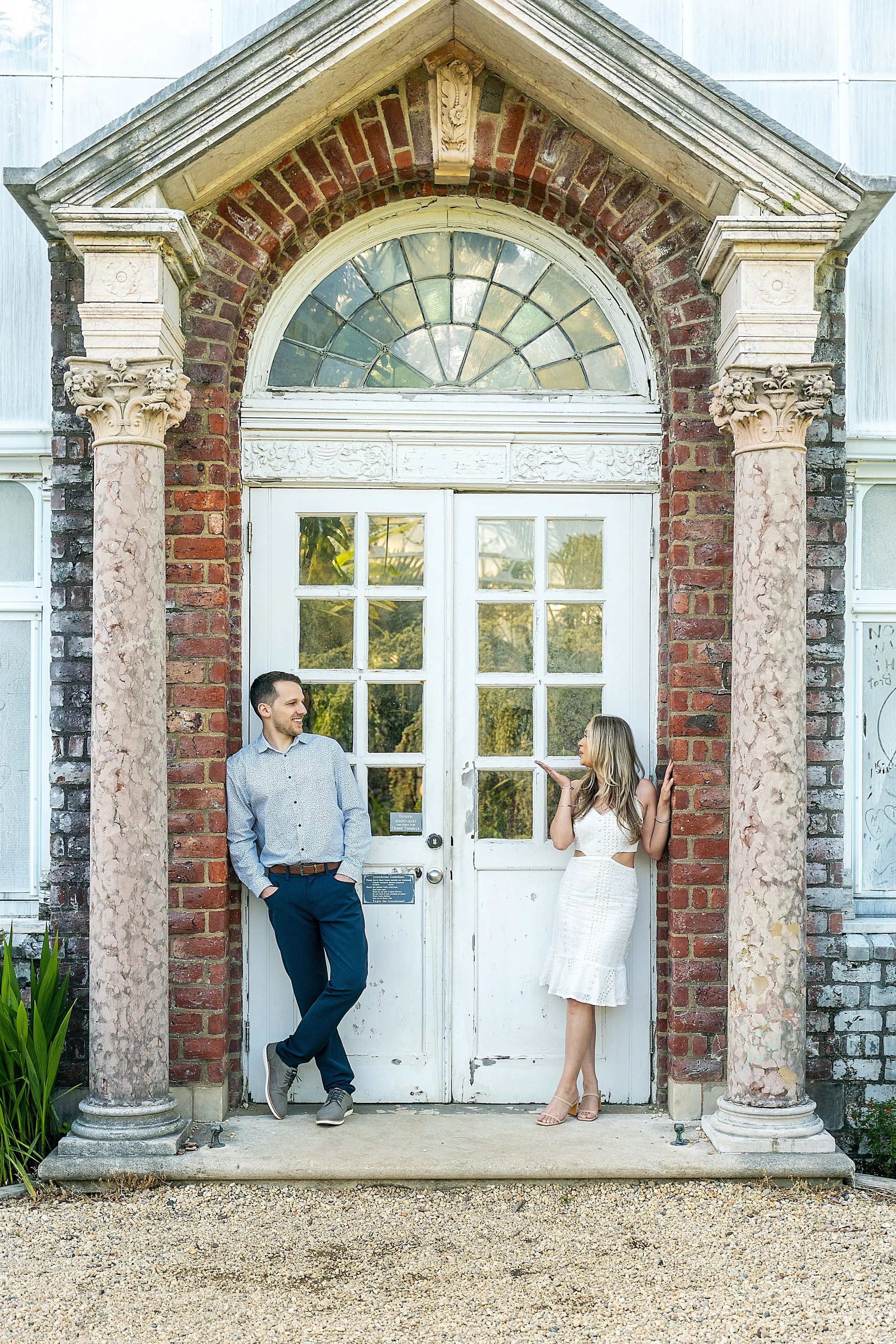
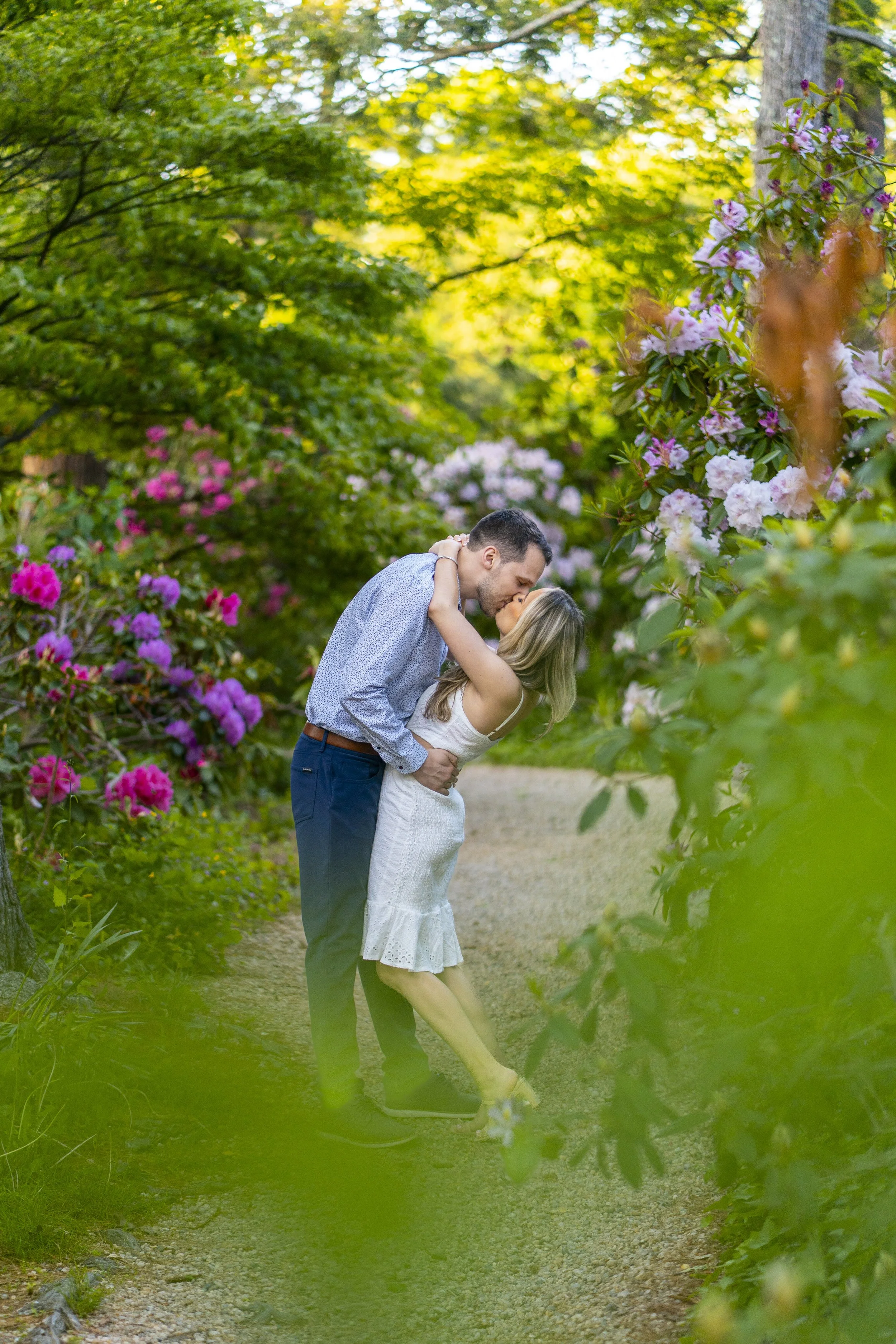
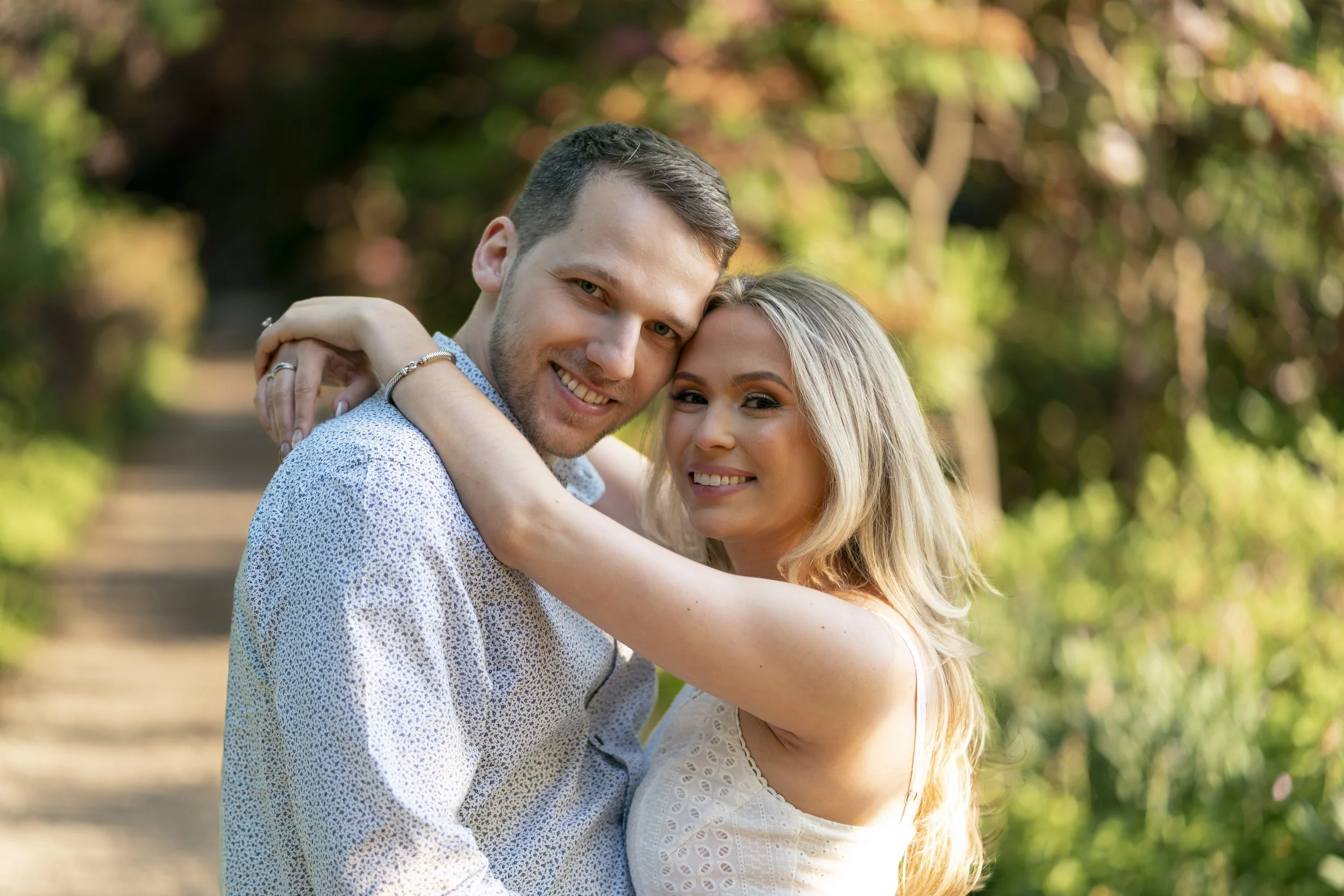
Think about light before you think about scenery. A location with open shade, soft directional light, or a good golden-hour window will consistently outperform a more dramatic-looking spot with harsh midday sun. I'll always help you figure out timing for a location, but if you're choosing on your own, favor places with large tree cover providing shade, variety in backdrop, benches or sitting areas and varying enviornmental elements to interact with.
Consider the season and the crowd. A stunning botanical garden is a very different experience in June (packed, hot, competing for backdrops) than in October (golden, quiet, dramatic). If you're set on a popular spot, ask about permits, peak hours, and whether we can get an early or late slot to avoid the crowds. There are many gardens or parks which require purchasing a permit in advance. Also be sure to check the hours of operation for the location.
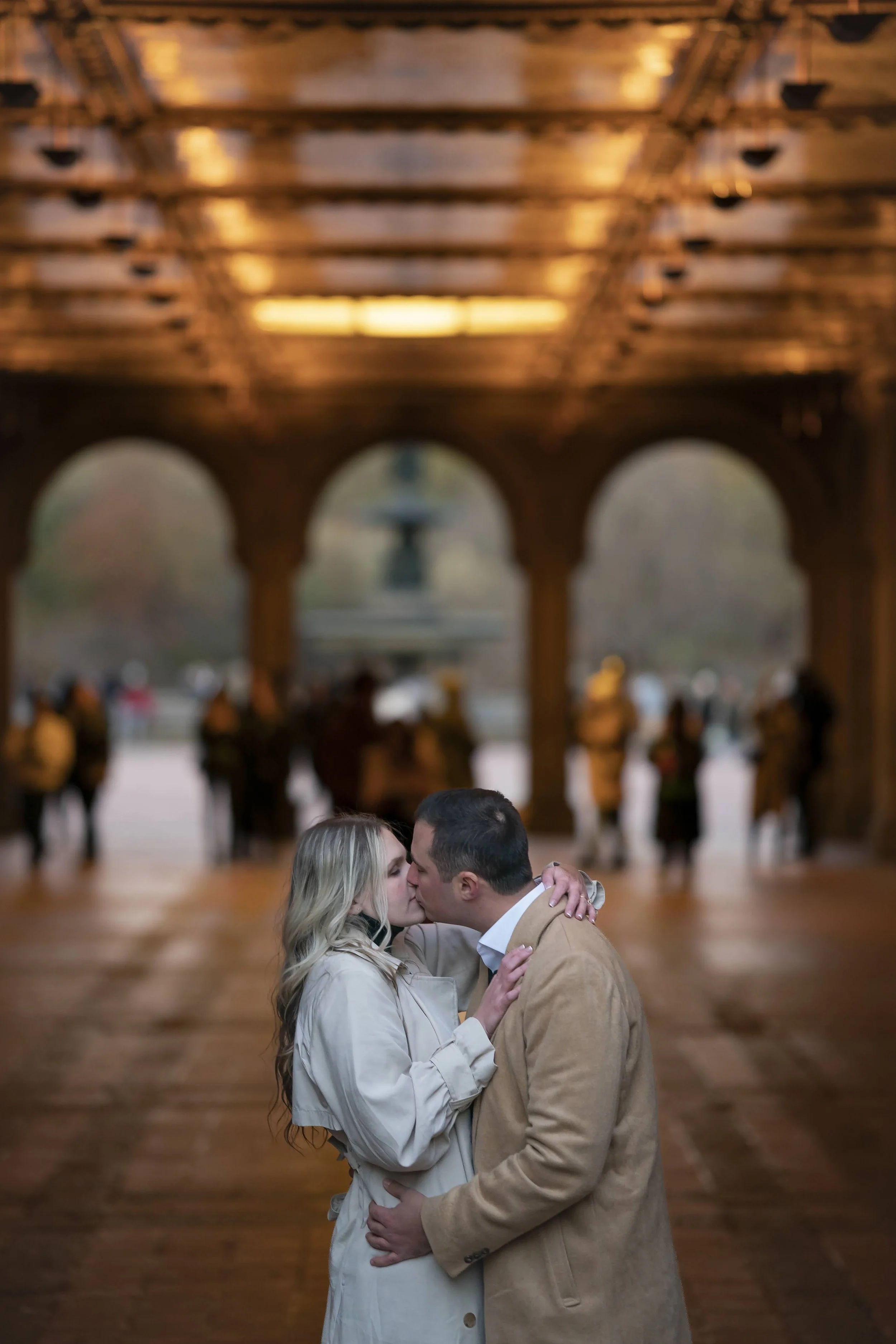
What to wear: the advice that actually holds up
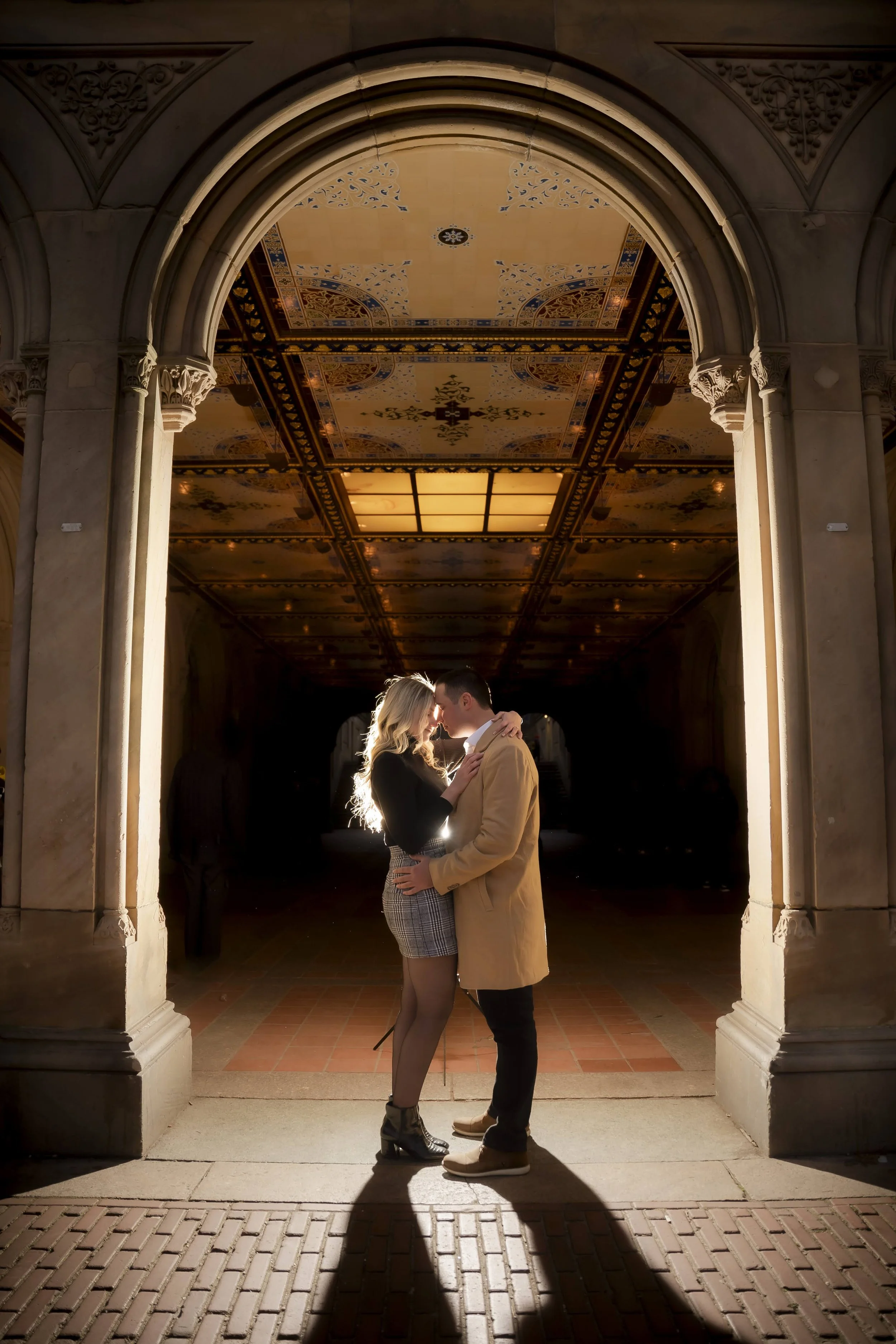
I've watched a lot of outfits succeed and fail in front of the camera, and it almost never comes down to trends. It comes down to a few practical rules:
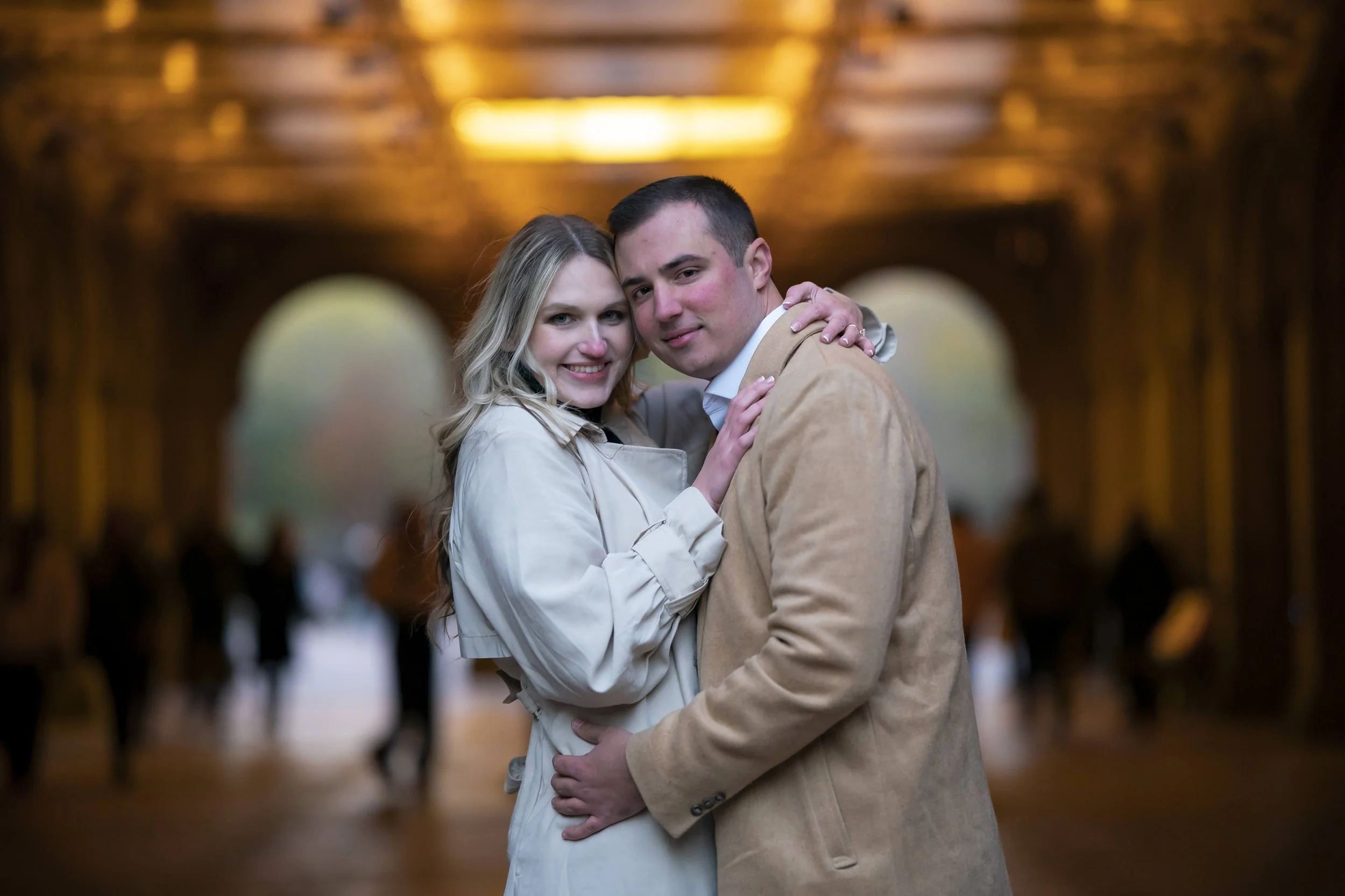
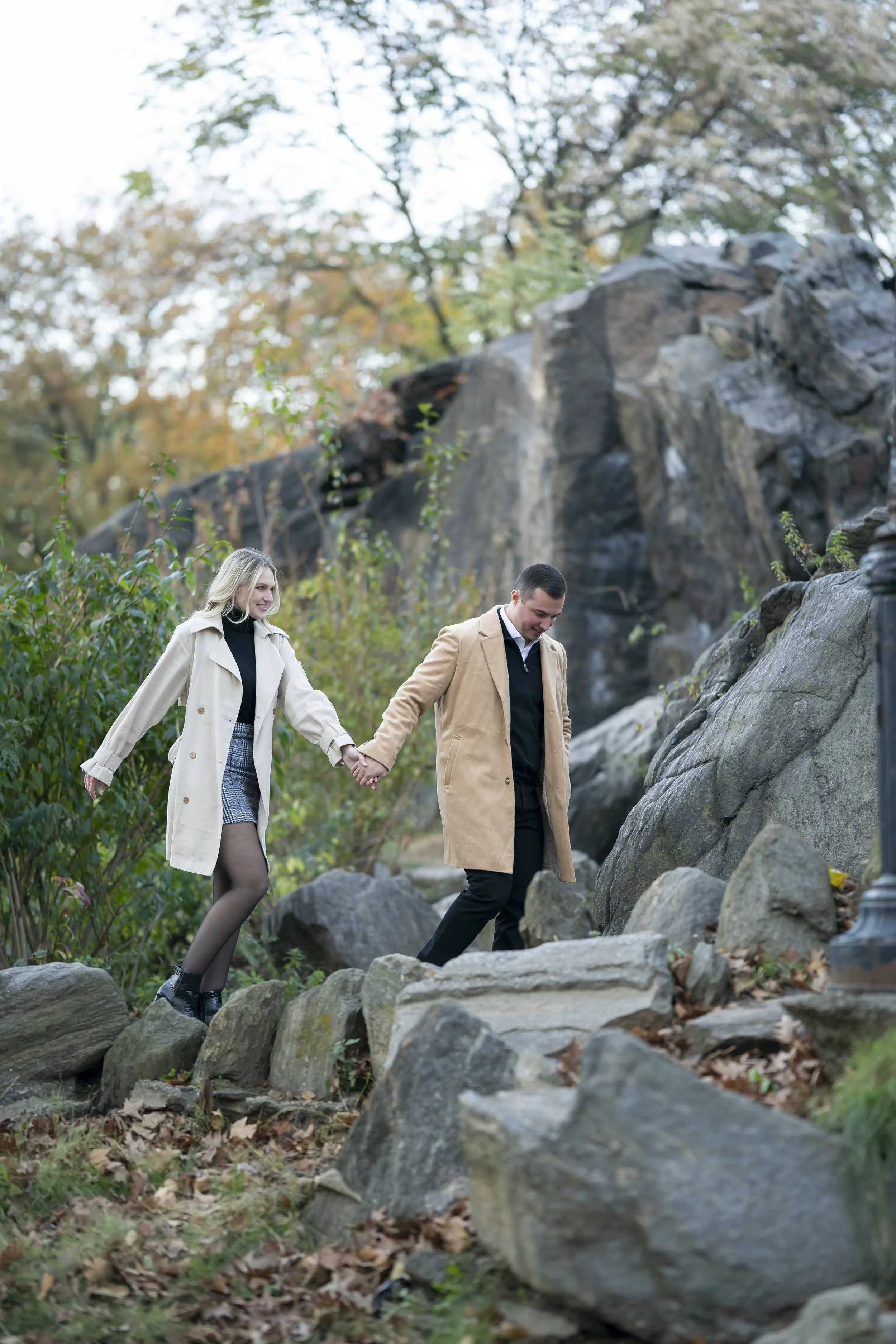
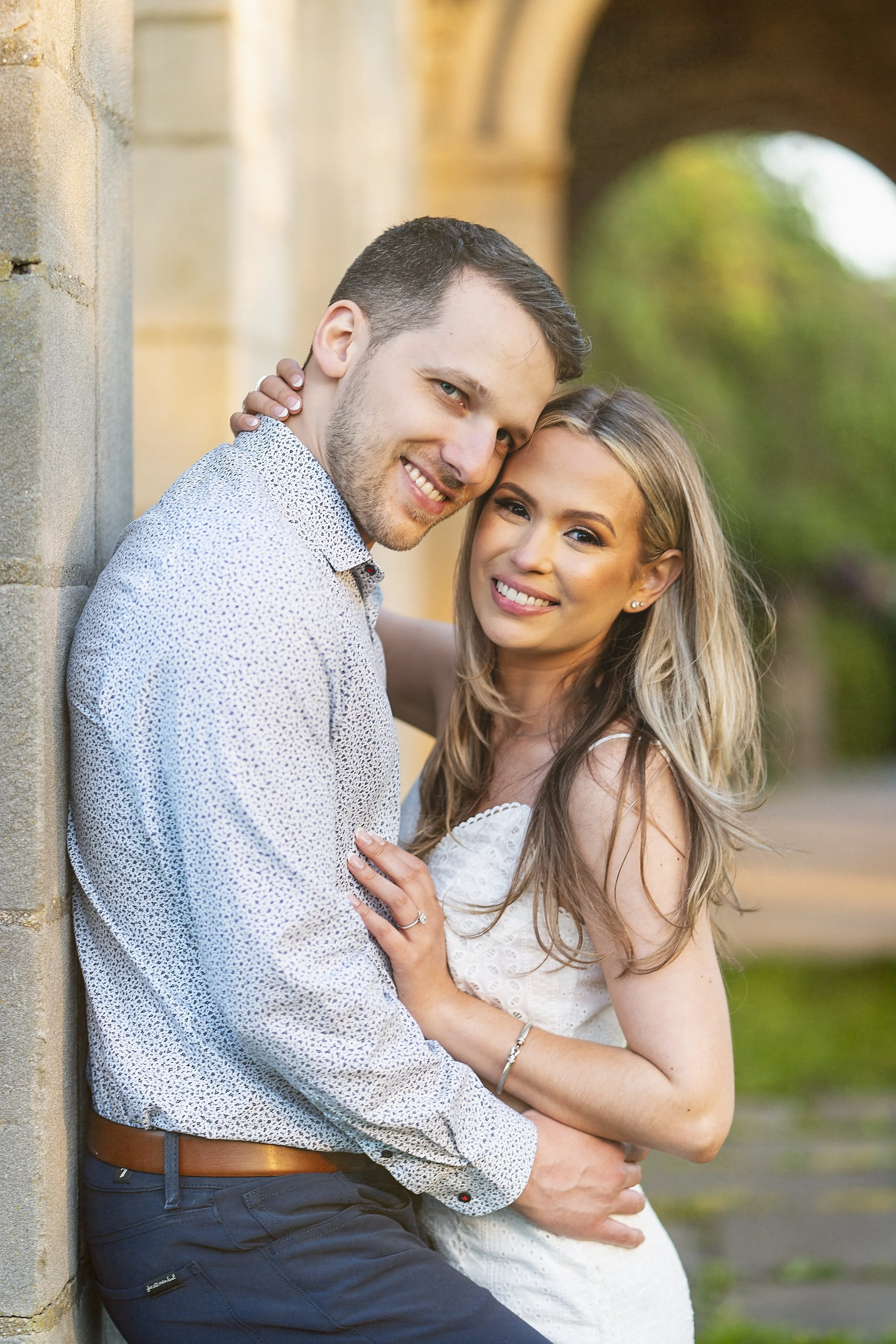
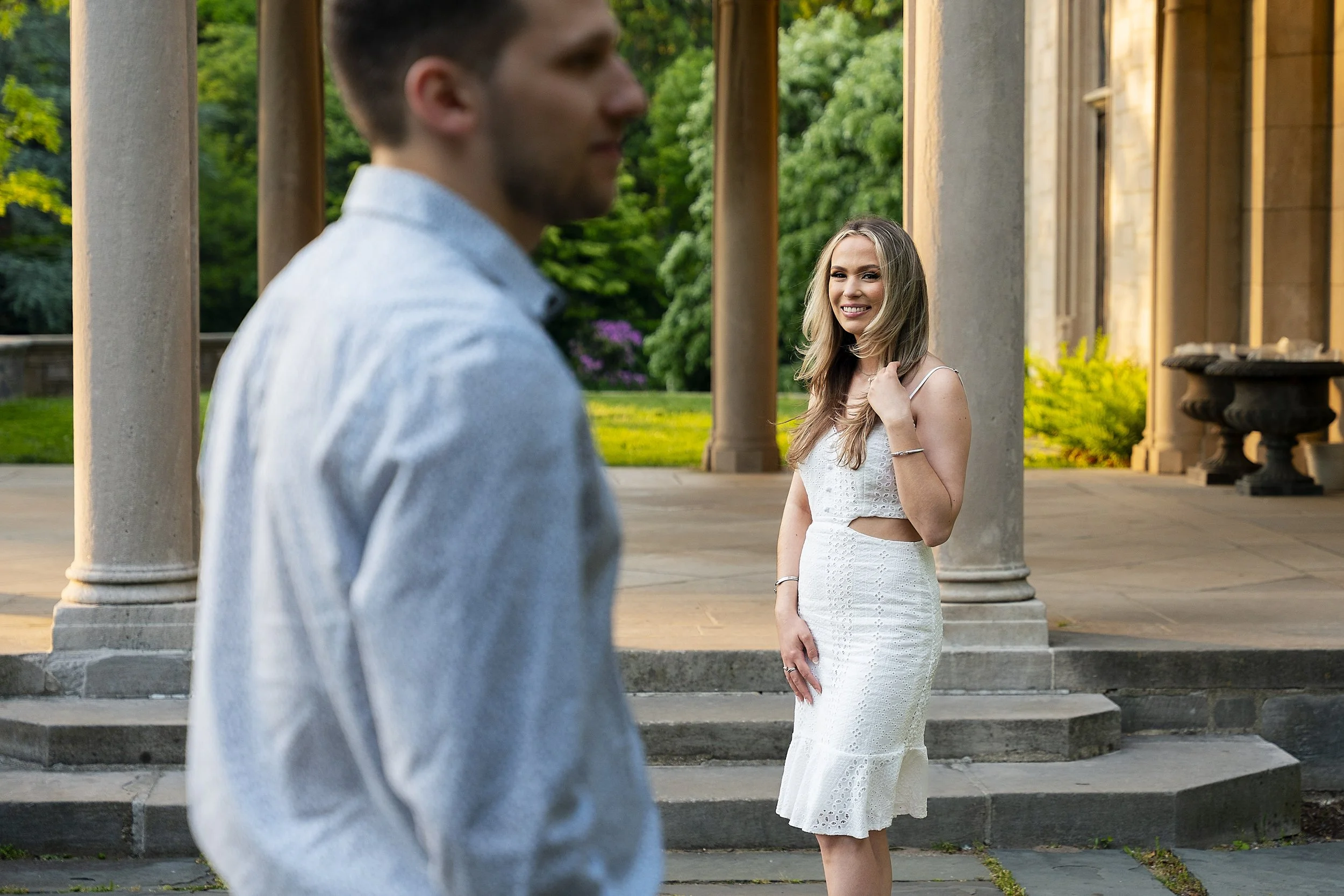
Coordinate, don't match. You don't need matching outfits — just have a shared color palette. Pick two or three complementary tones and build both outfits from there. Matching head-to-toe tends to look staged; coordinating looks intentional.
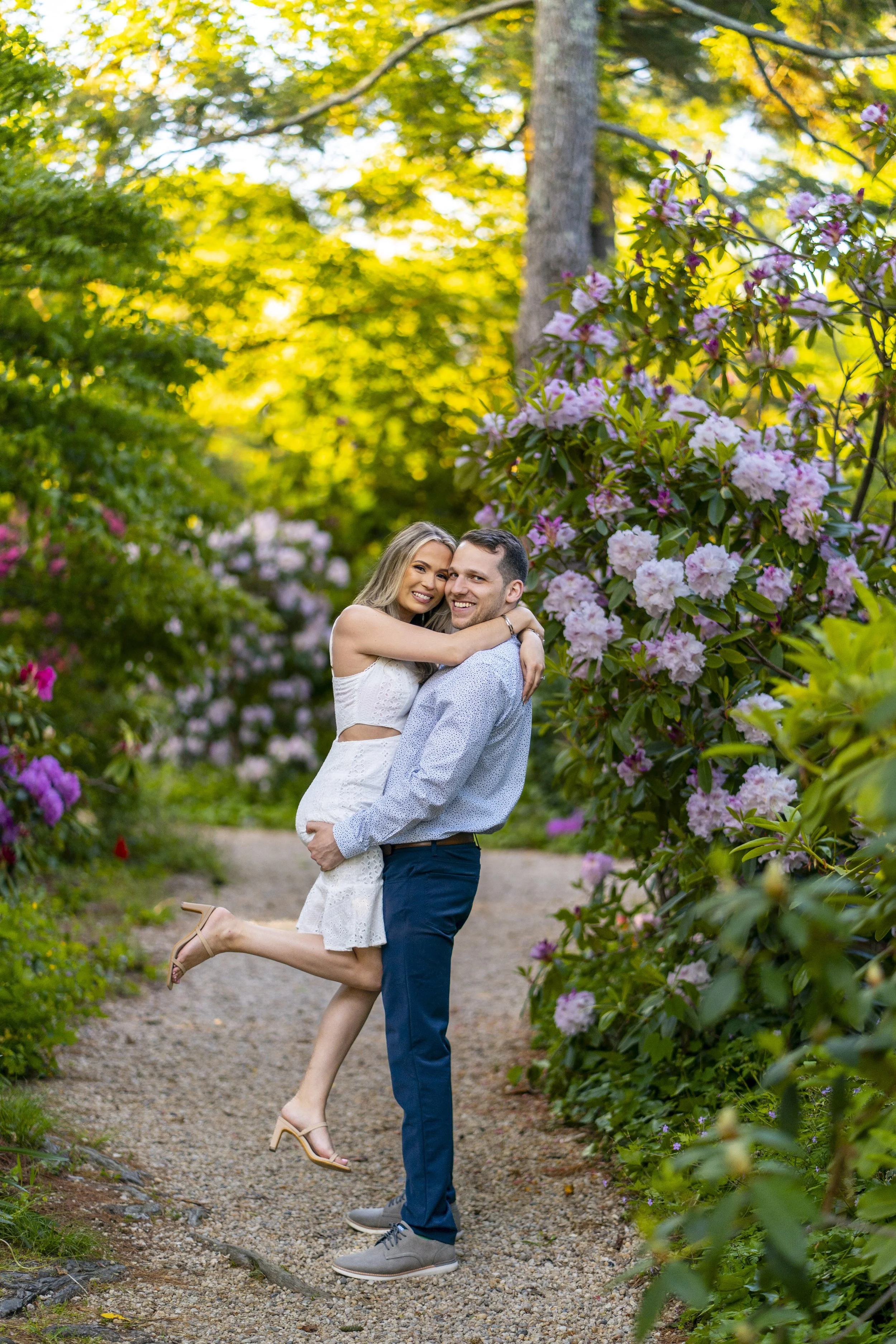
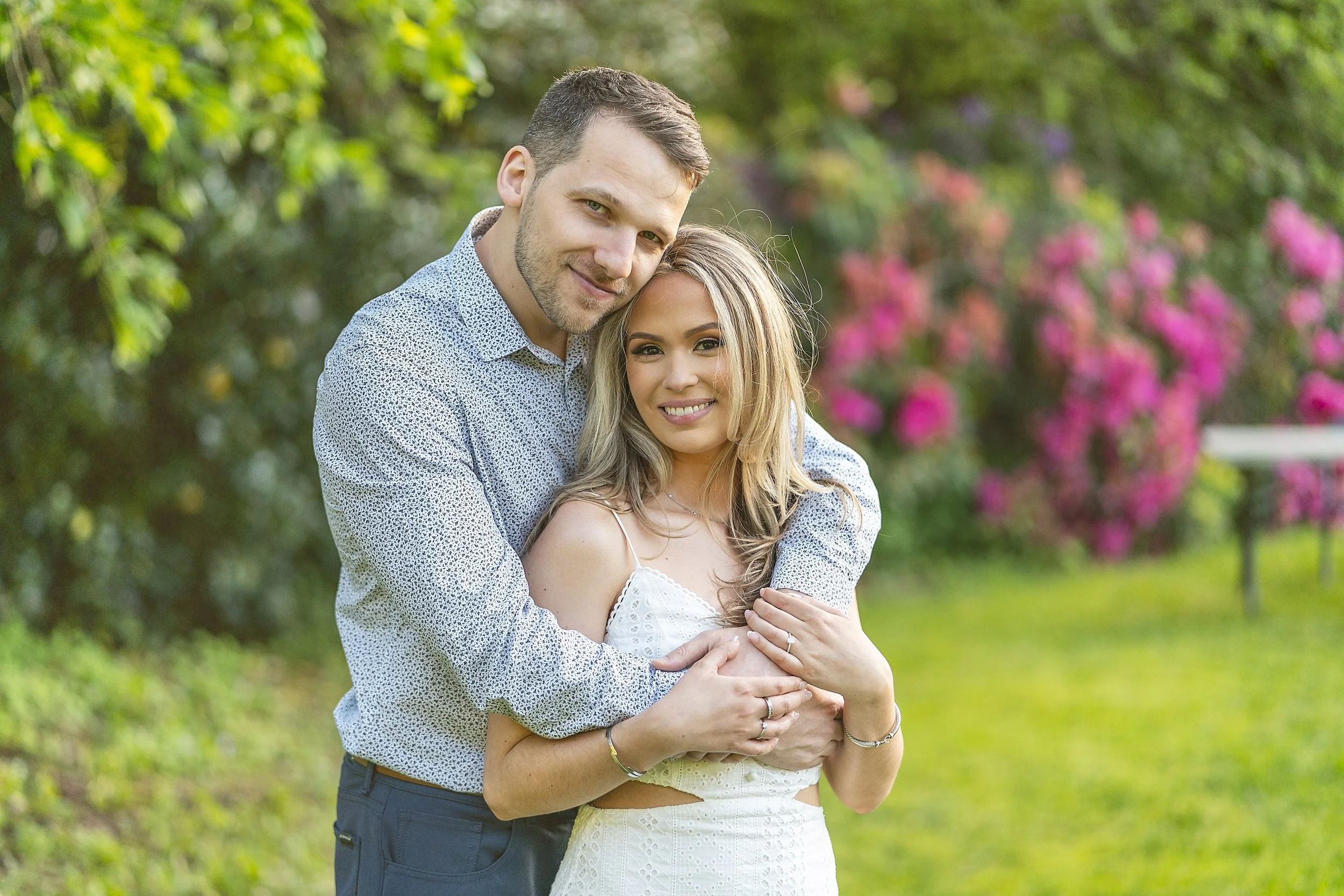
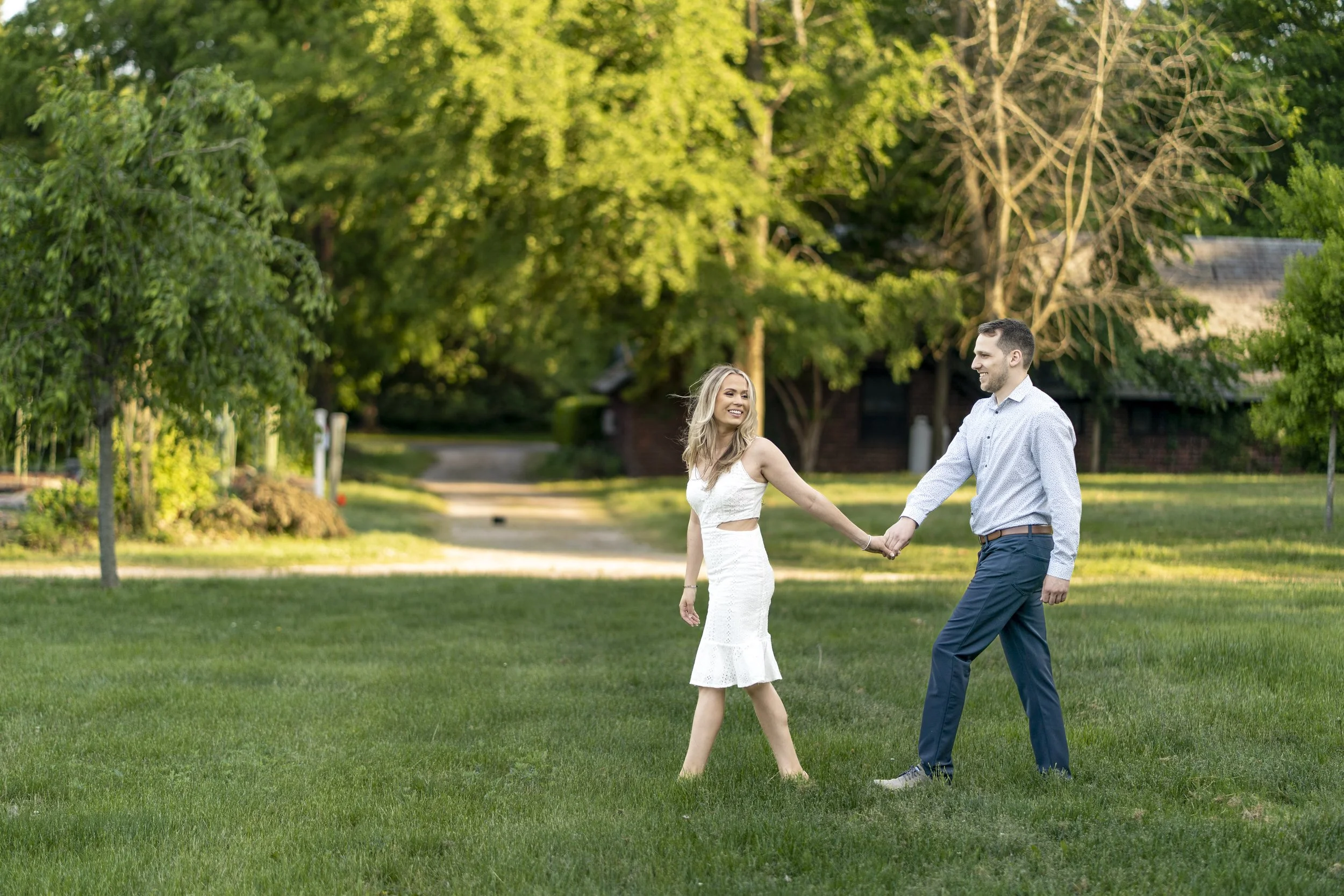
Solid colors and soft textures photograph better than busy patterns. Large logos, loud graphic prints, and small tight patterns can look too busy and create visual noise.
Dress one notch nicer than the location, not the other way around. If we're shooting somewhere casual, lean slightly elevated — a linen button-down instead of a t-shirt, a sundress instead of athleisure leggings. Dress comfortably but not sloppy. Photos always look better when your’re a little more dressed up.
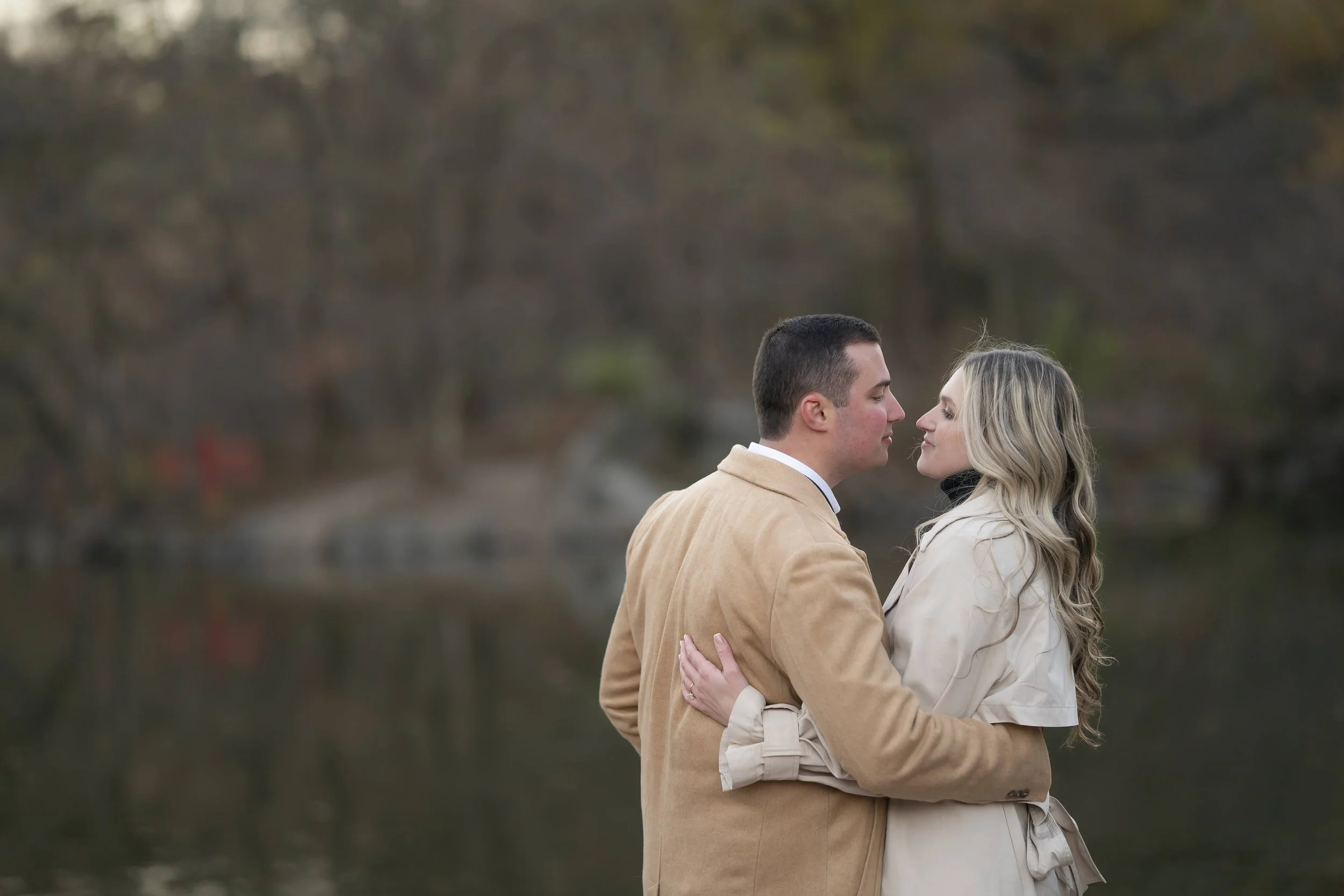
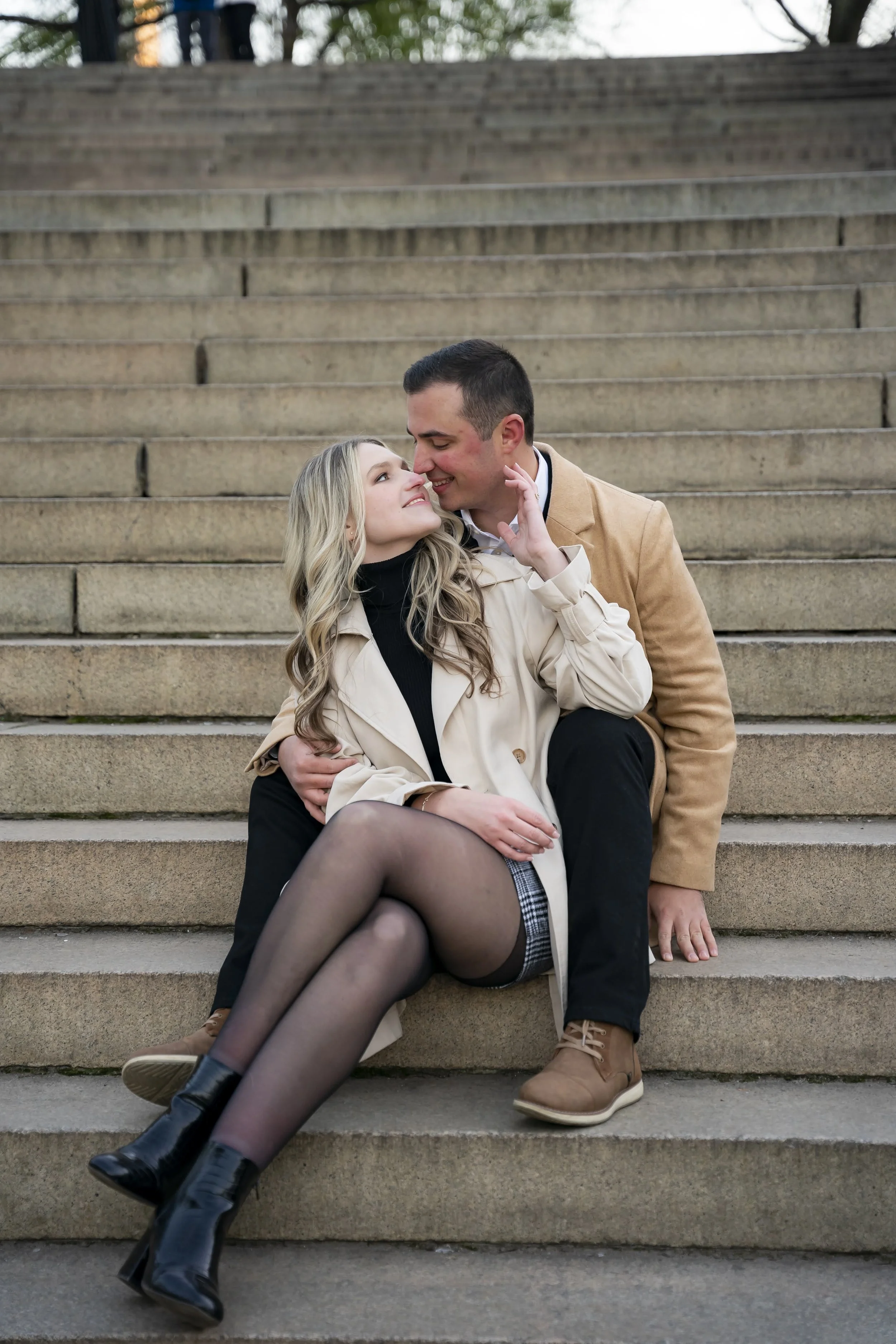
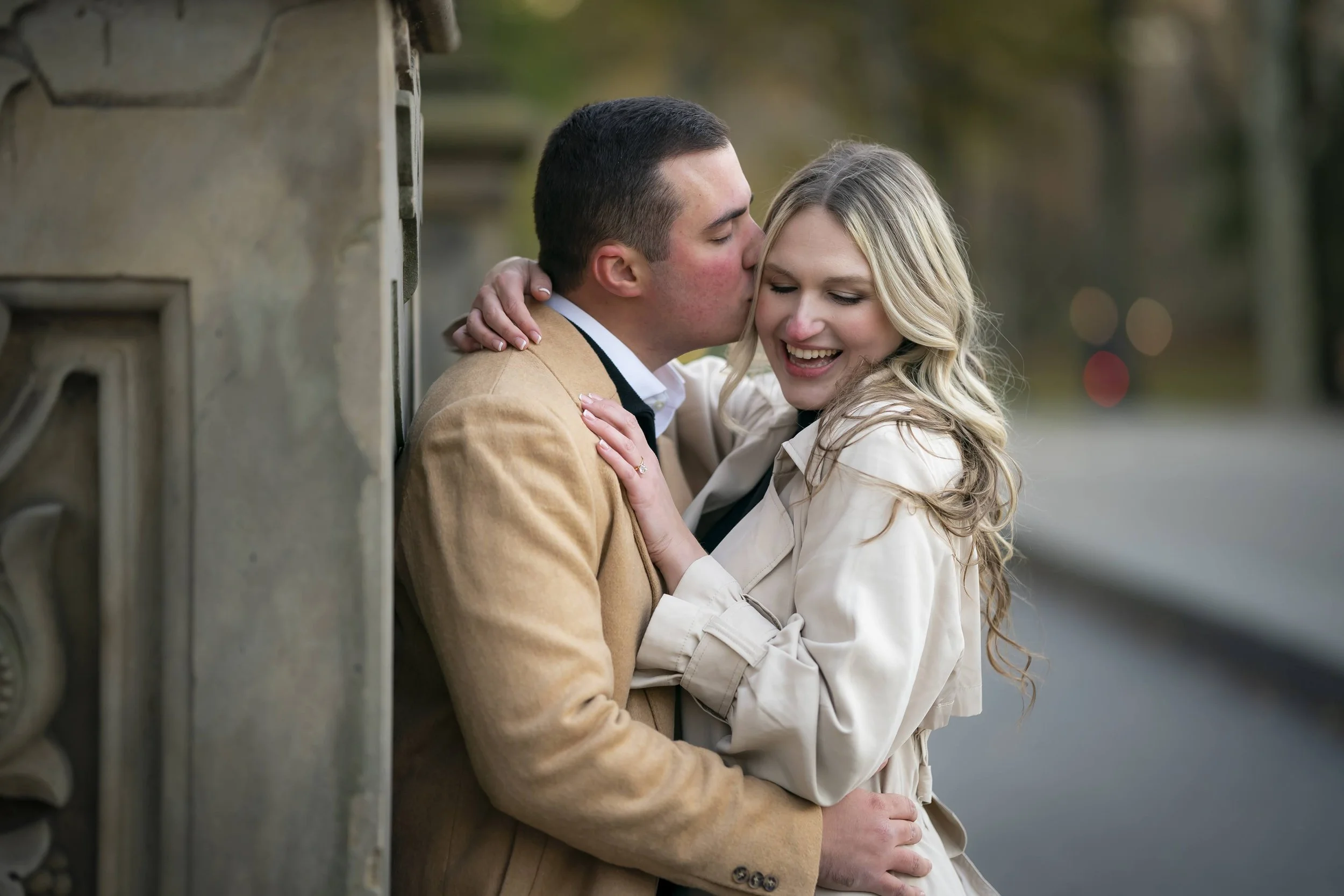
Bring a second outfit if you want variety, but don't overdo it. One outfit change, ideally with a different formality or color story, is usually enough for a one hour to 90 minute session. If you have one formal outfit and one casual outfit, always start with the dressier outfit first just in case there is nowhere to change, you will at least have nicer photos in the formal outfit.
Comfort is non-negotiable. If your shoes hurt after twenty minutes, it will show on your face. Break in new shoes beforehand, or bring a comfortable pair to walk in and switch for photos. Ladies, if you’re wearing heels, bring a pair of flip-flops or comfortable slip ons for the walk between photo spots.
The mistakes I see couples make most often
After years of shooting engagement sessions, the same handful of mistakes come up again and again. Avoid these and you're most of the way to a great session:
Planning an entire session around an indoor location because it has sentimental value. There are a few reason this tends to backfire. Lighting is the biggest one. Cafes and bars are almost always lit with a mix of overhead fixtures, warm tungsten bulbs, and whatever daylight leaks through the windows — and mixed color temperatures are one of the hardest things to shoot around. You end up with orange skin tones under the bulbs and blue-tinted shadows near the windows in the same frame, which means using flash, which then tends to look more harsh and flatten the soft, natural look most couples actually want from an engagement session.
Space is the second problem. Most cafes and bars are small and furniture-dense, which limits working space, how many angles are available, and how much room the couple has to move naturally. A lot of what makes engagement photos feel alive — walking together, a spontaneous laugh, a spin — needs open space to work, and a room full of tables and chairs doesn't give you that.
Then there's the fact that it's someone's active business with real customers who didn't agree to be in a couple's engagement photos along with working staff all in close proximity. There’s a real risk of the shoot getting cut short or feeling rushed and self-conscious the whole time.
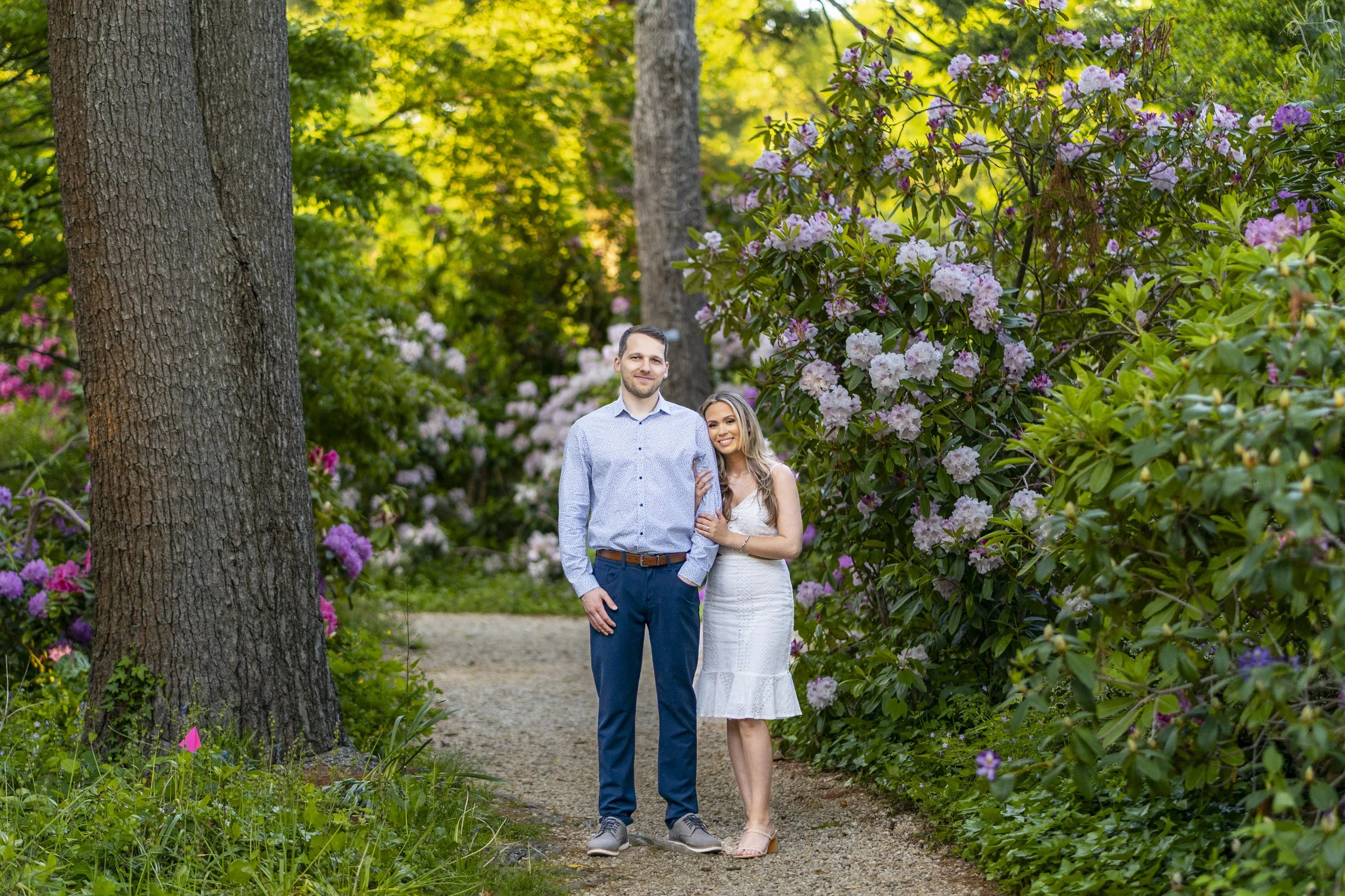
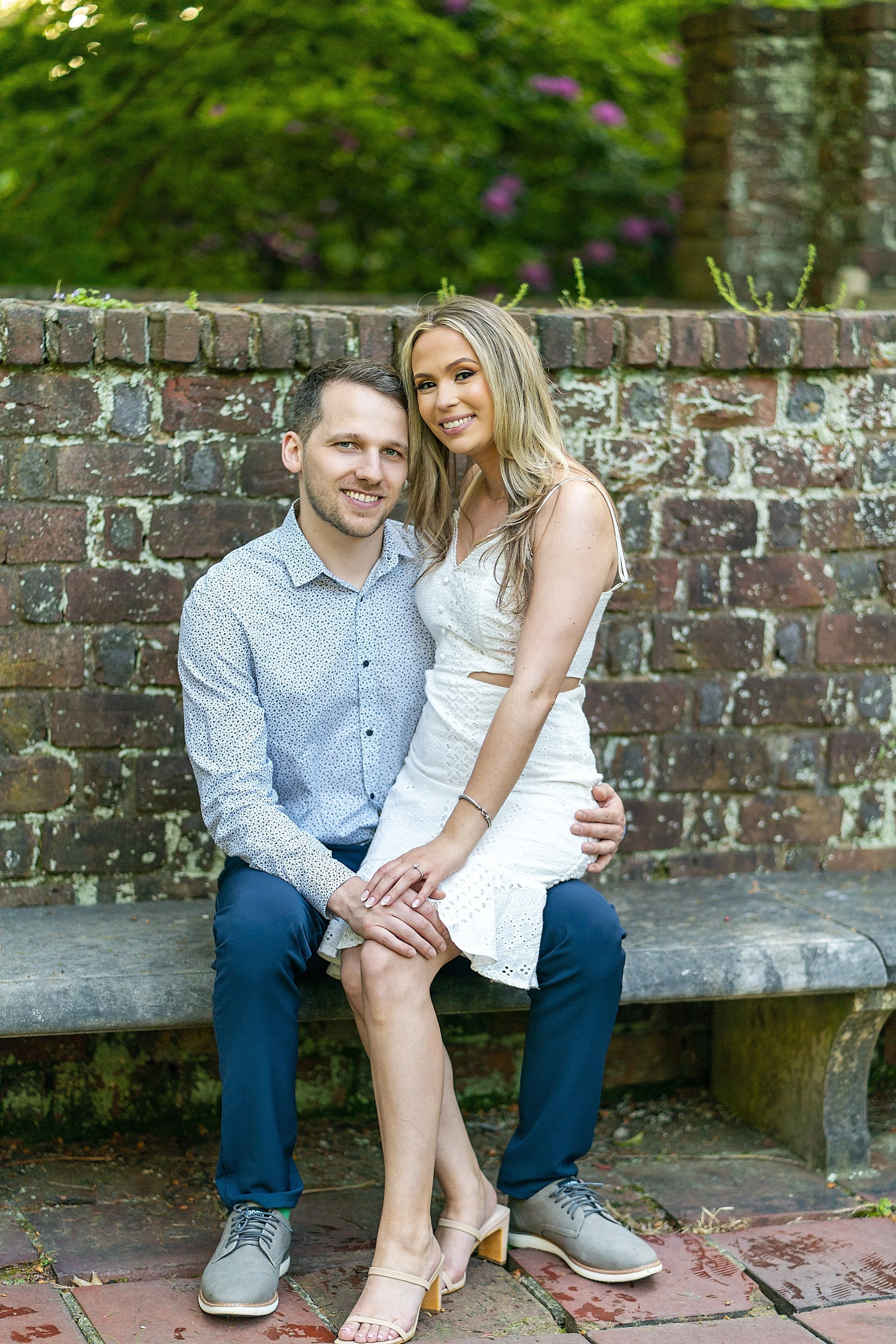
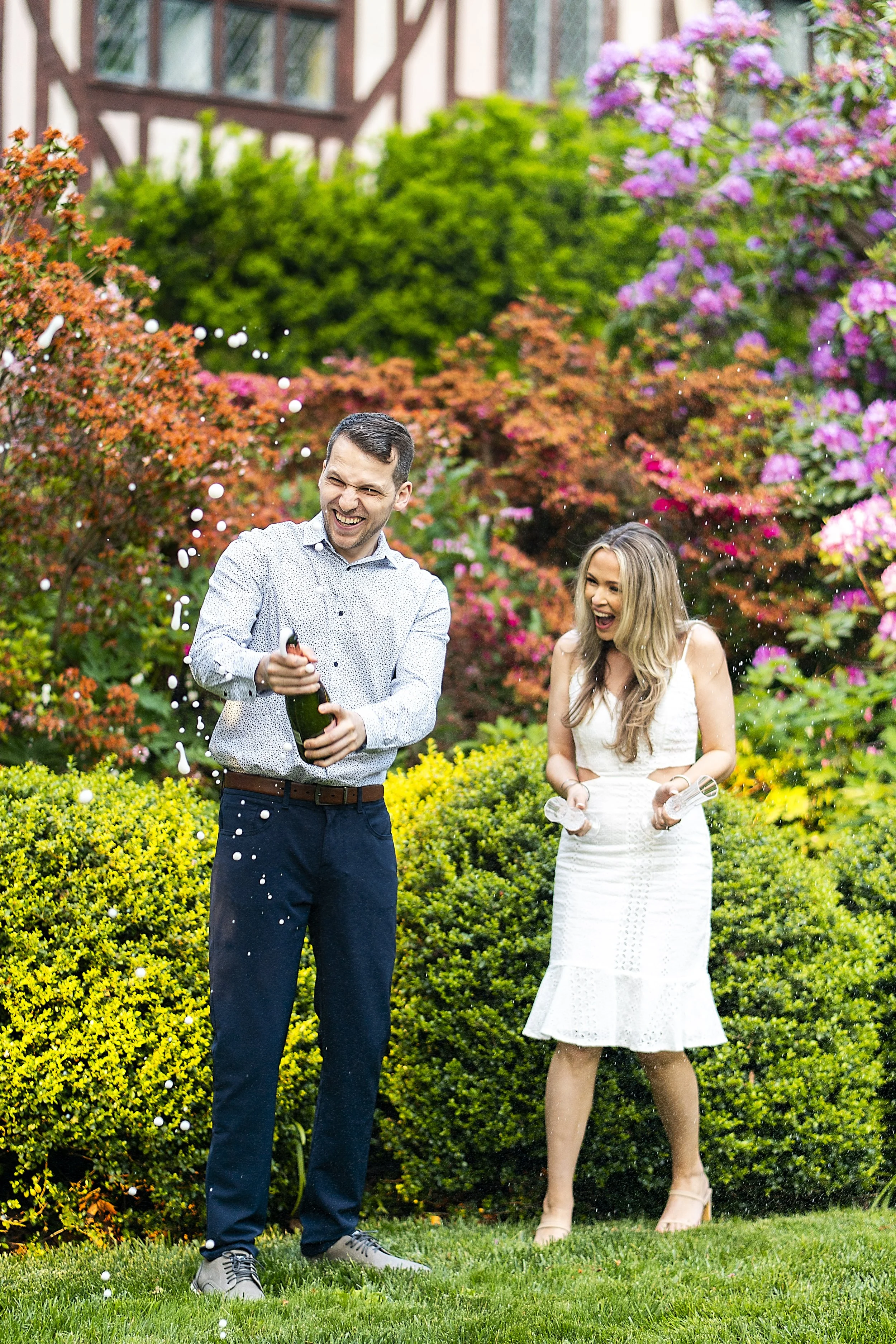
Scheduling it at the wrong time of day. Midday sun is unflattering and hard to work with almost anywhere. The single most common fixable mistake is booking a session at 1 p.m. because it was convenient, instead of building it around golden hour or even soft morning light. I typically like to schedule sessions about 90 minutes before sunset for the best light.
Picking two non-adjacent locations. Travel time is the killer here. In a time limited session, every minute spent walking, driving, or finding parking between locations is time not spent shooting.
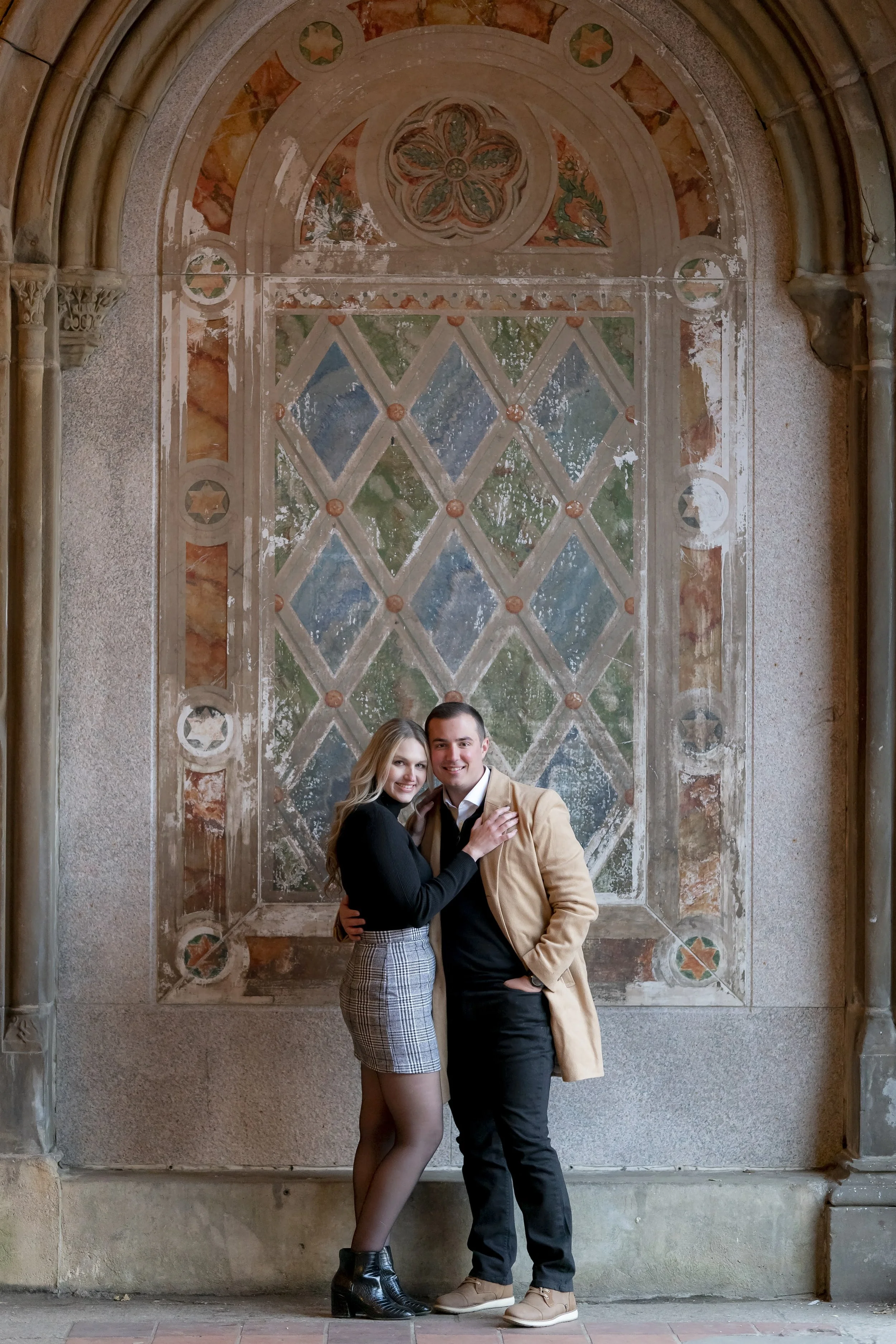
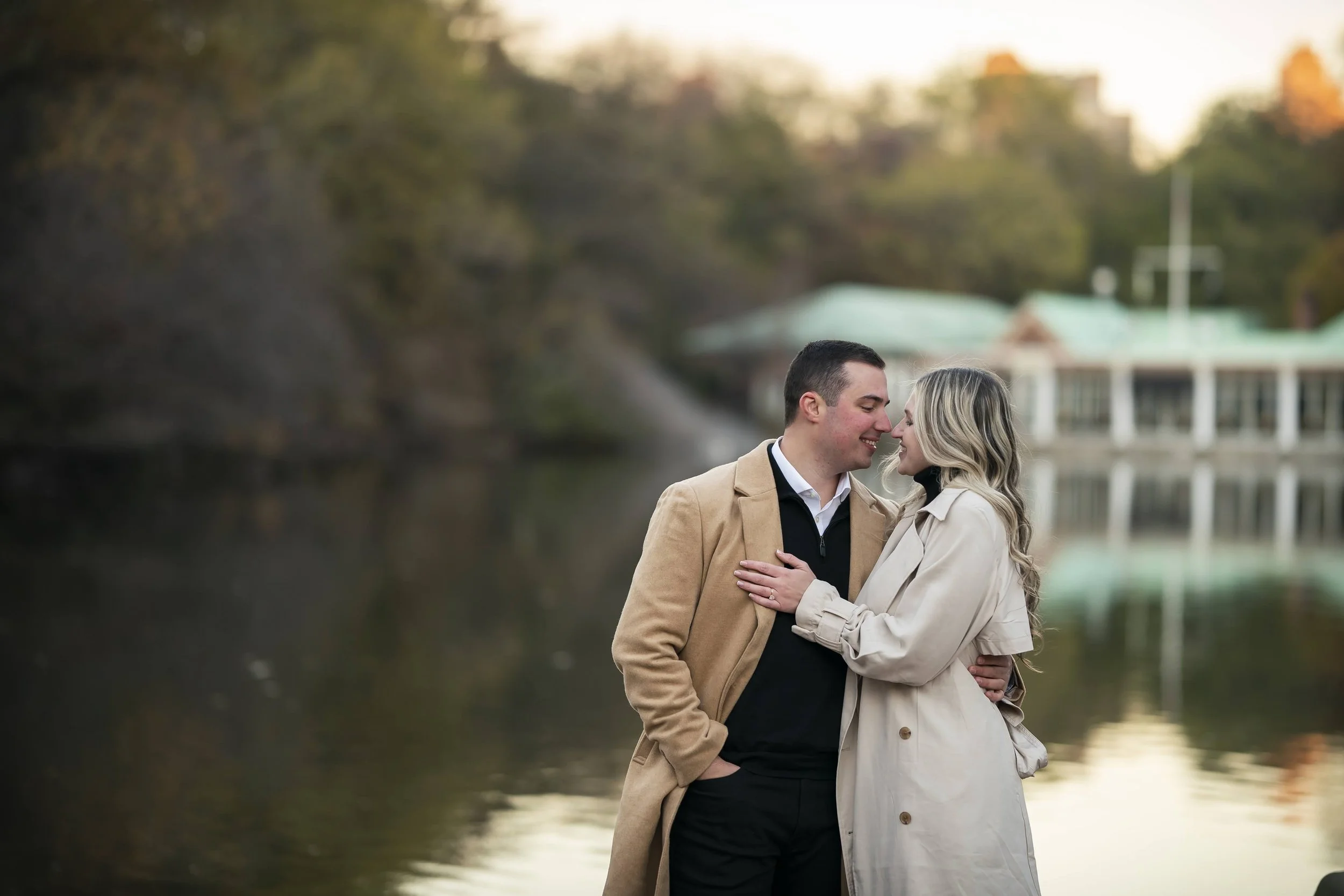
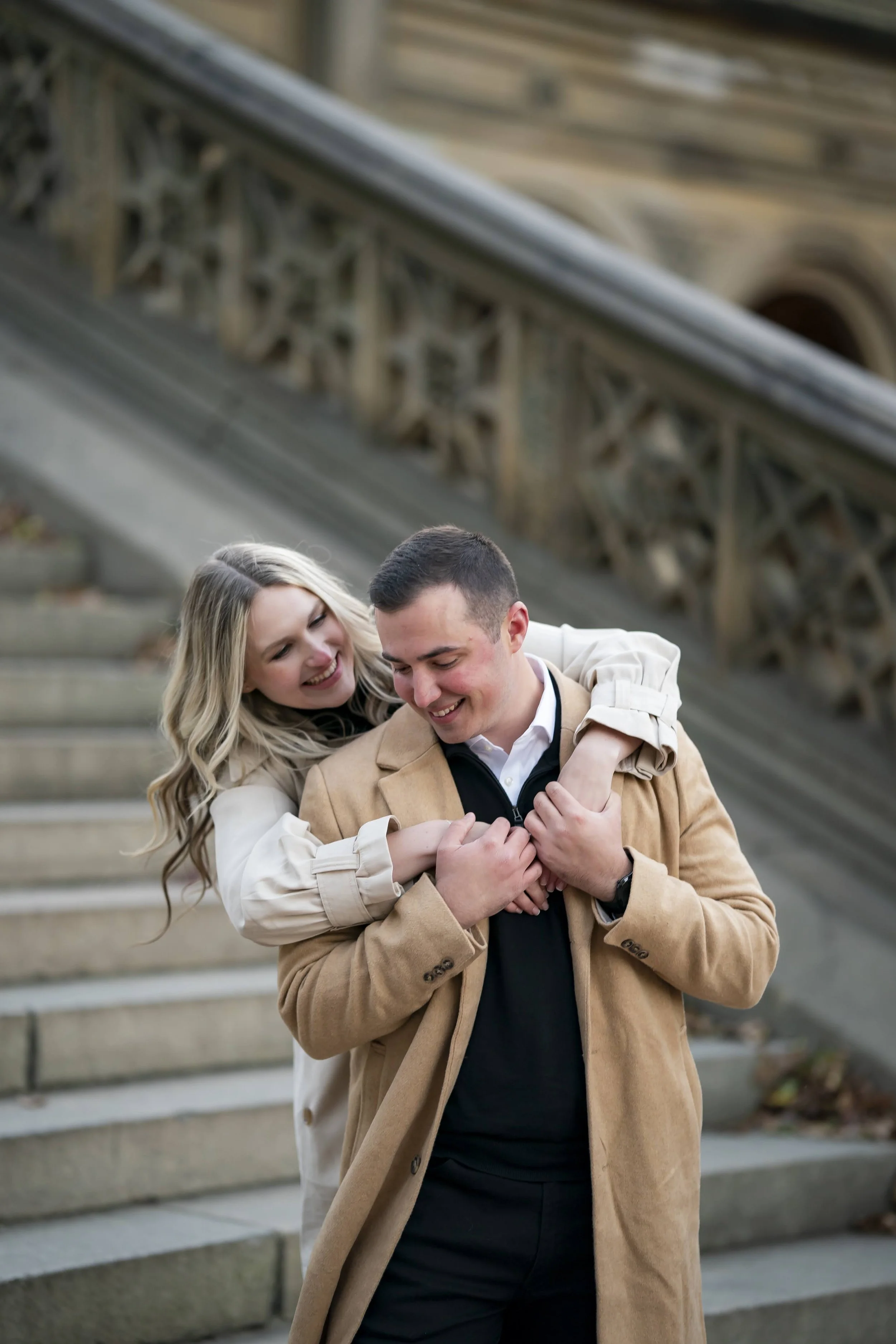
Being nervous or worried about poses and being awkward in front of the camera. Do not worrry. 95% of couples have never done a formal photoshoot prior to their engagement session (unless you count the annual portrait day pics in school). My job is to guide you and give direction for some starting poses which lead to natural interaction where I’ll capture those and the in between candid moments. Your job is just to dress comfortably and show up. I’ll do the rest.
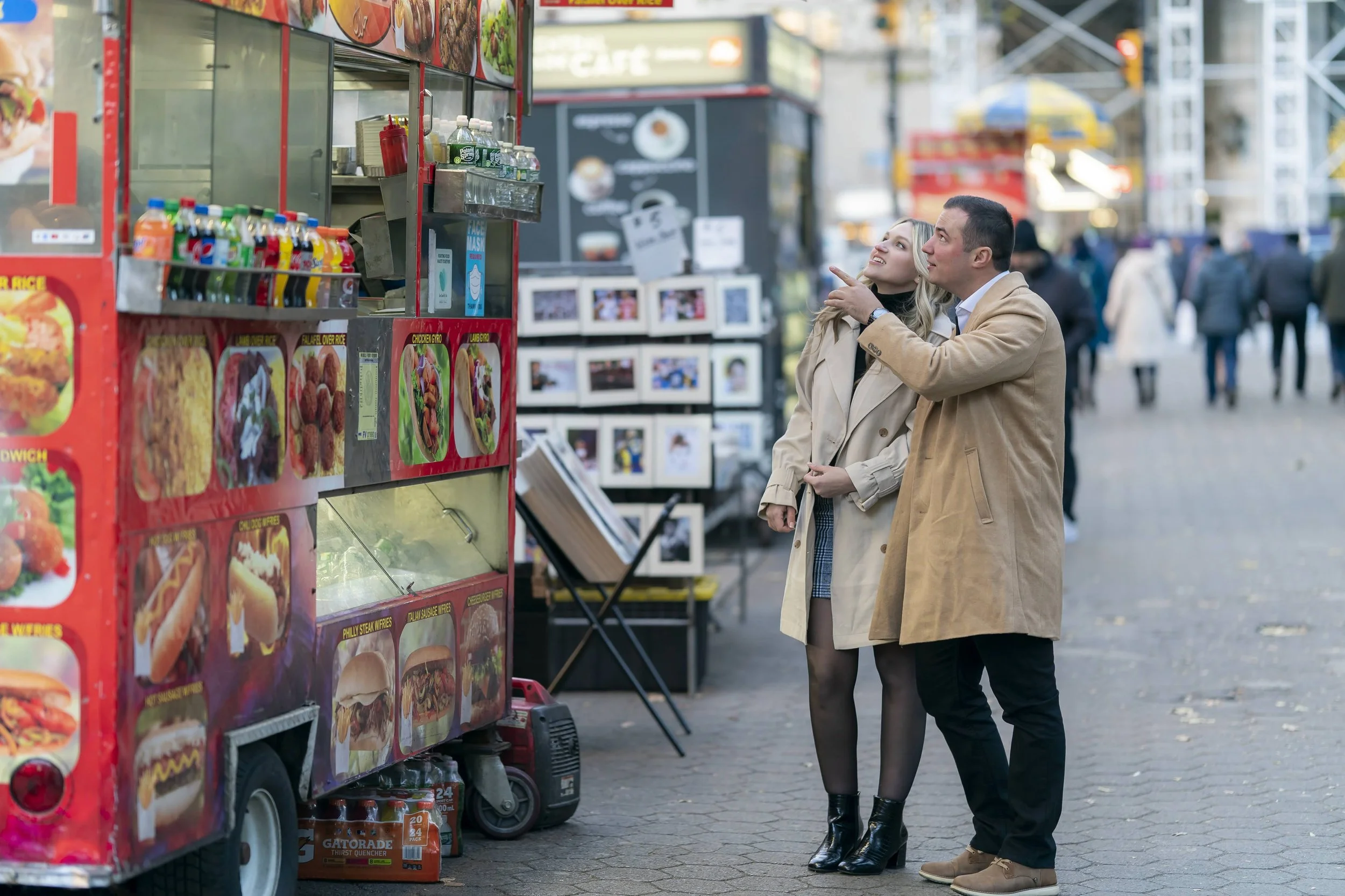
Ignoring the weather forecast when deciding what to wear. While I will keep my eye on the forecast either confirm the session or reshedule if it looks like rain, it is important for you to check the weather so that you can dress appropriately. Make sure you’ll be comfortable in what you choose to wear. You don’t want to sweat through your outfit if it’s 90 degrees and humid.
Not communicating with your photographer beforehand. If you're nervous in front of the camera, hate a certain angle, or have any body insecurities, absolutely feel free to say so ahead of time. I will absolutely take everything you tell me into consideration. I want you to be relaxed and not stress but I have to know what I should work around.
My honest advice
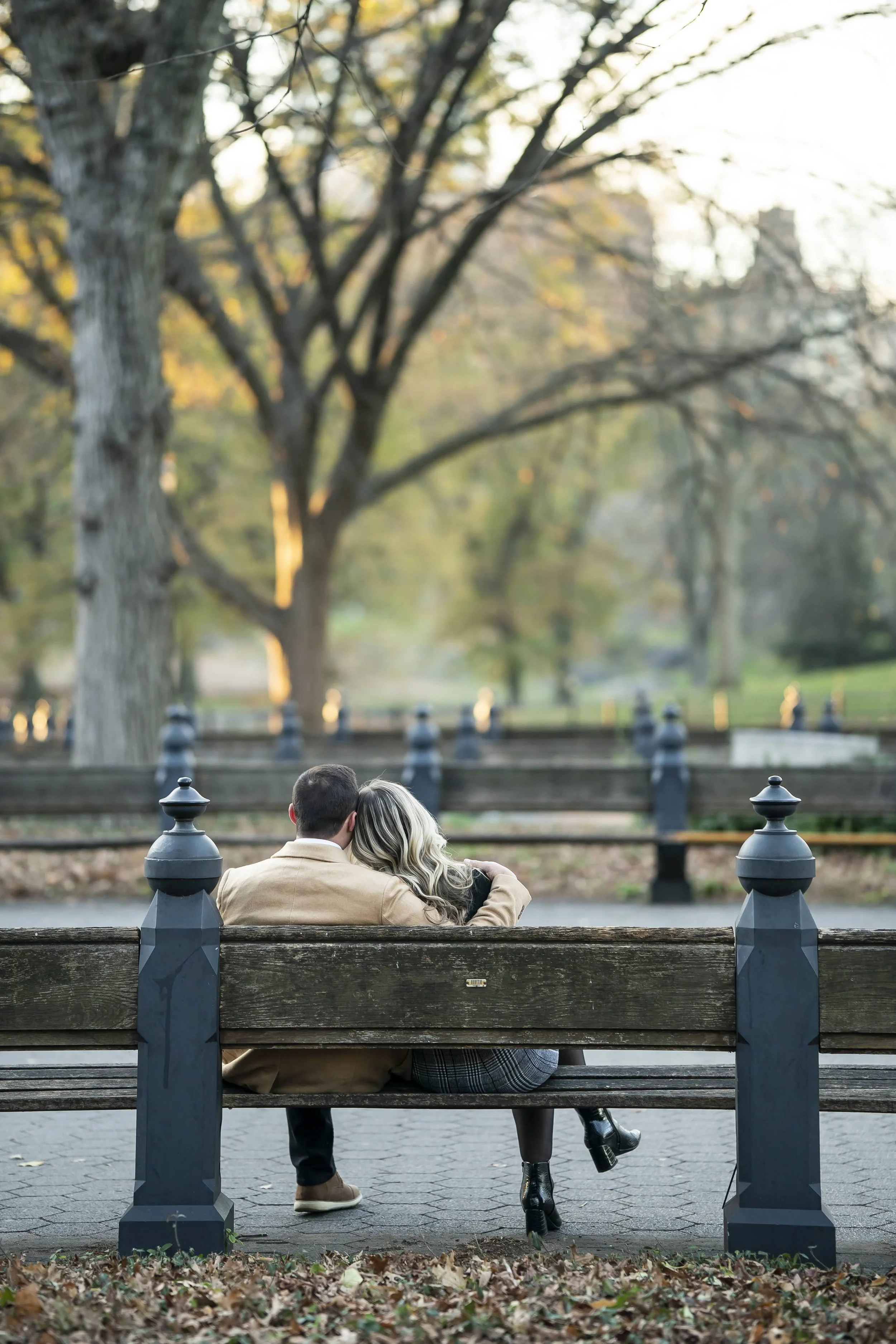
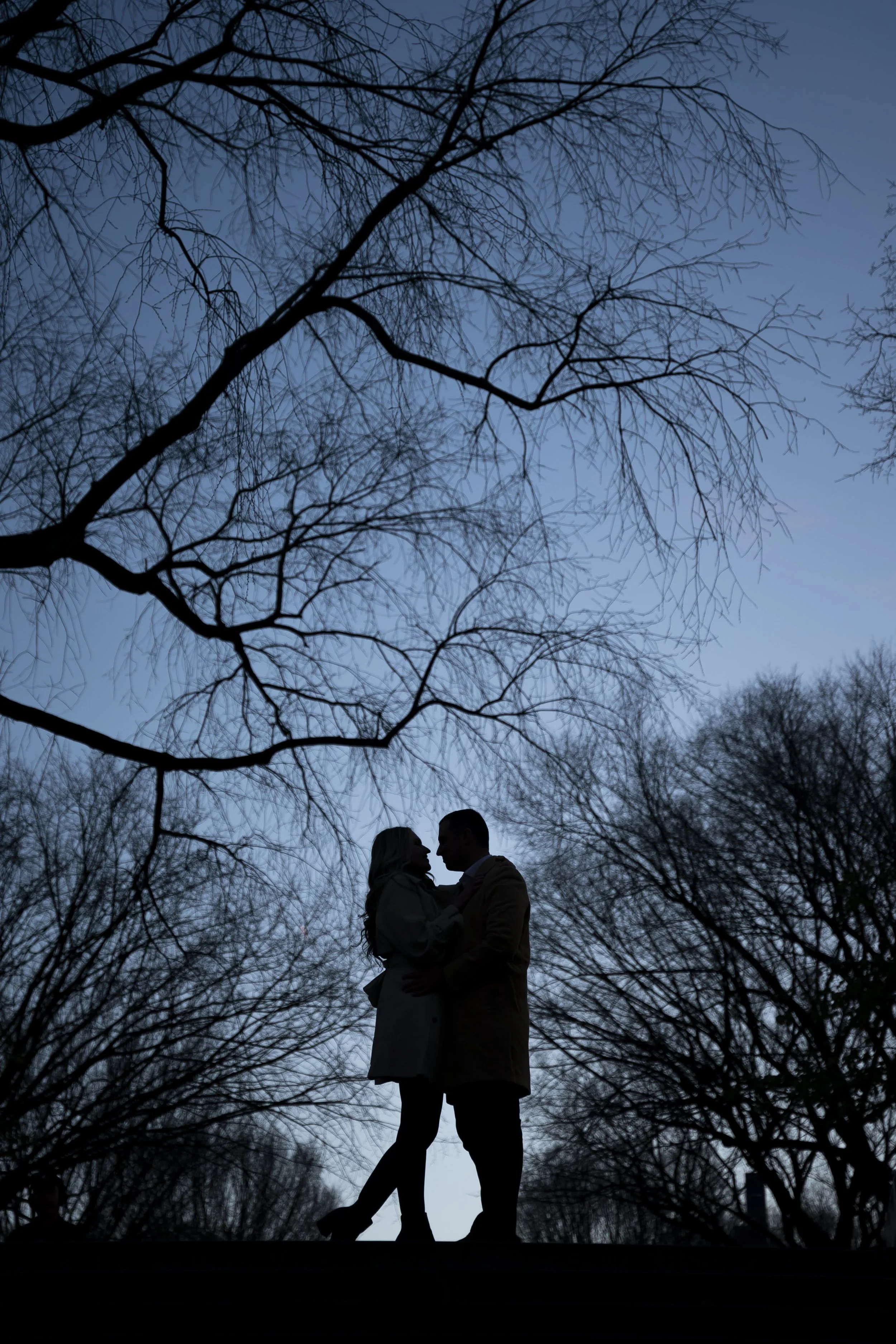
If I had to boil all of this down: pick an outdoor location that means something to you and has good light, dress in a coordinated (not matched) palette of solid colors and comfortable shoes, and show up ready to actually spend time with your partner rather than perform for a camera. Everything else — posing, timing, composition — is my job, and after years of doing this, it's the part I've got covered.
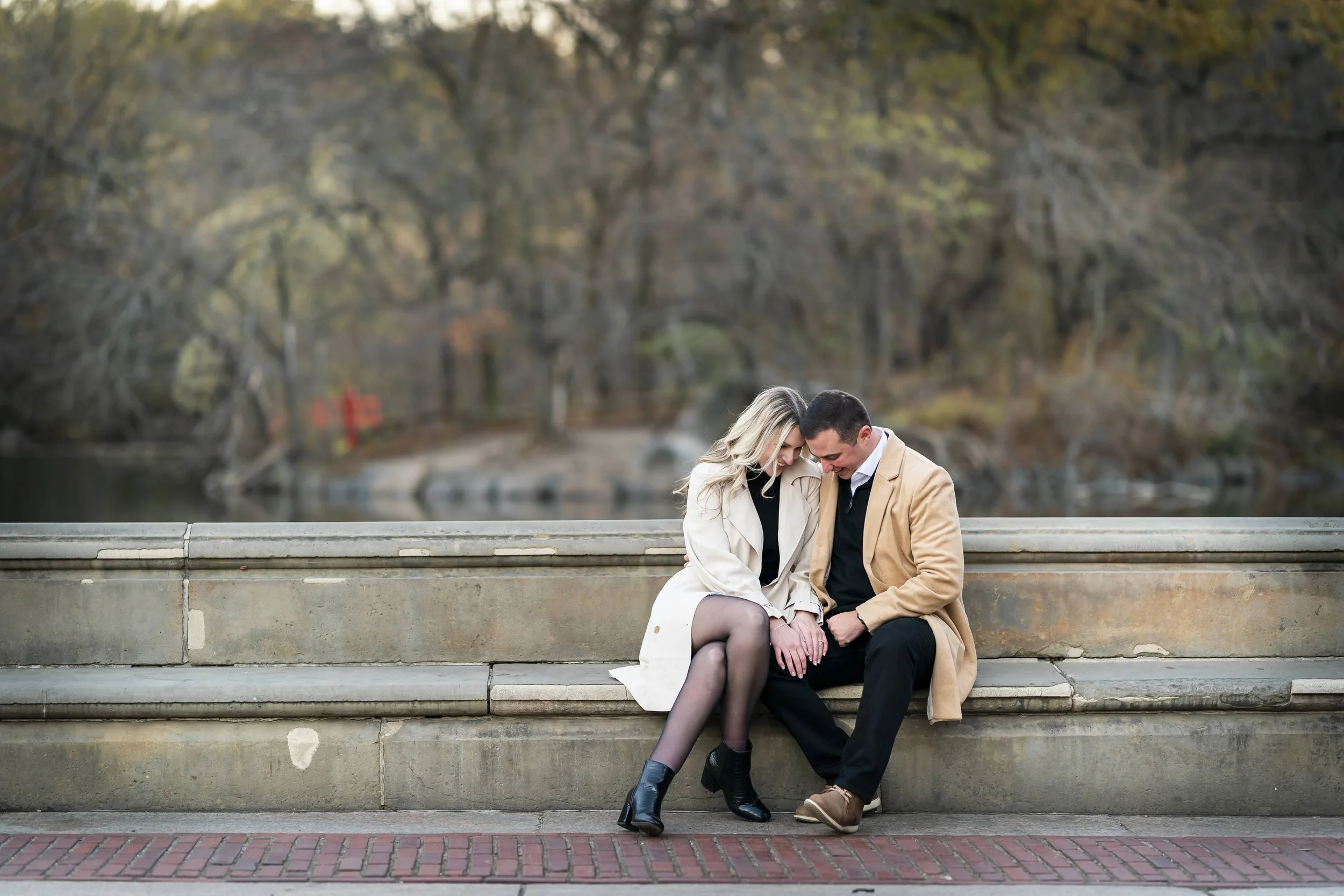
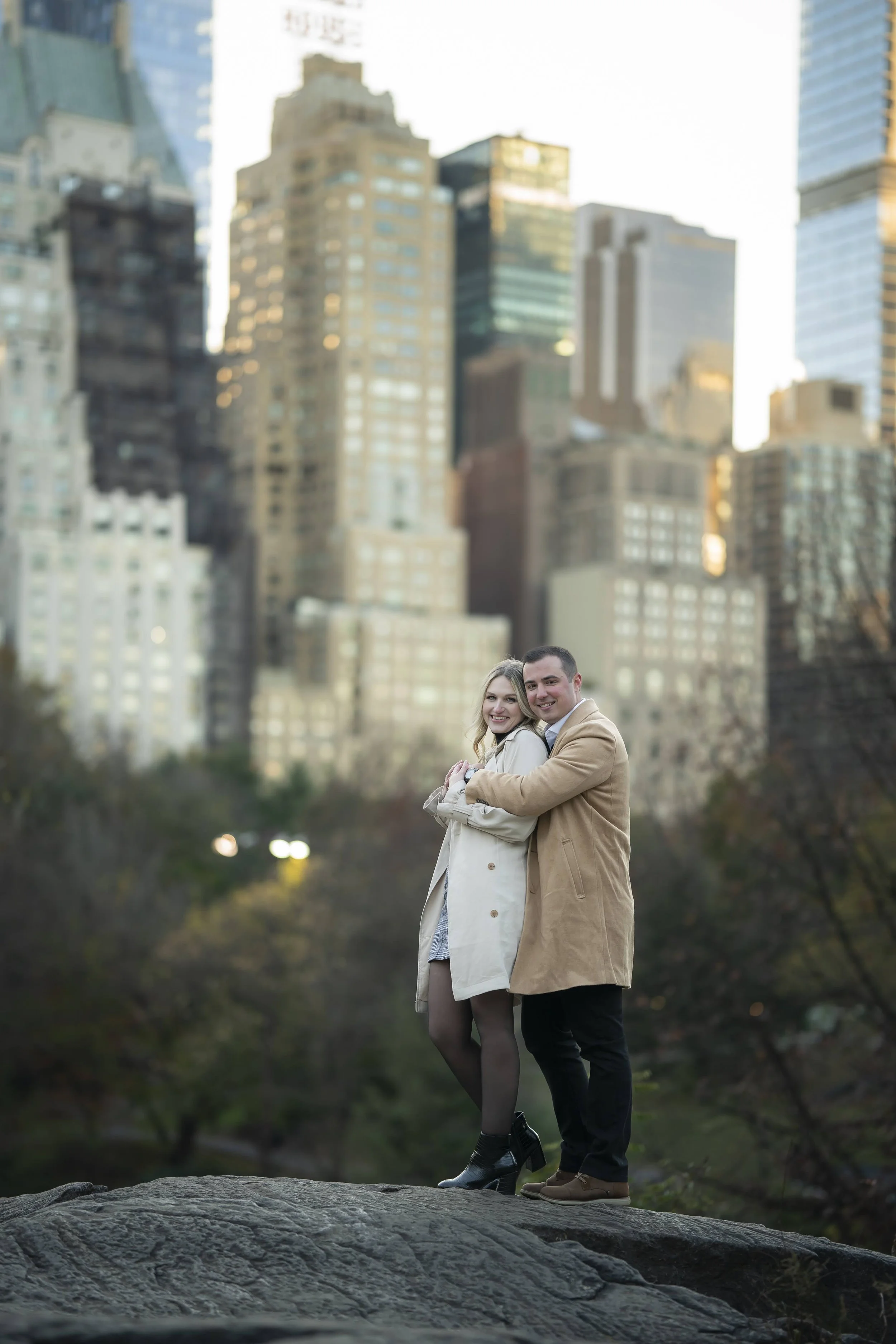
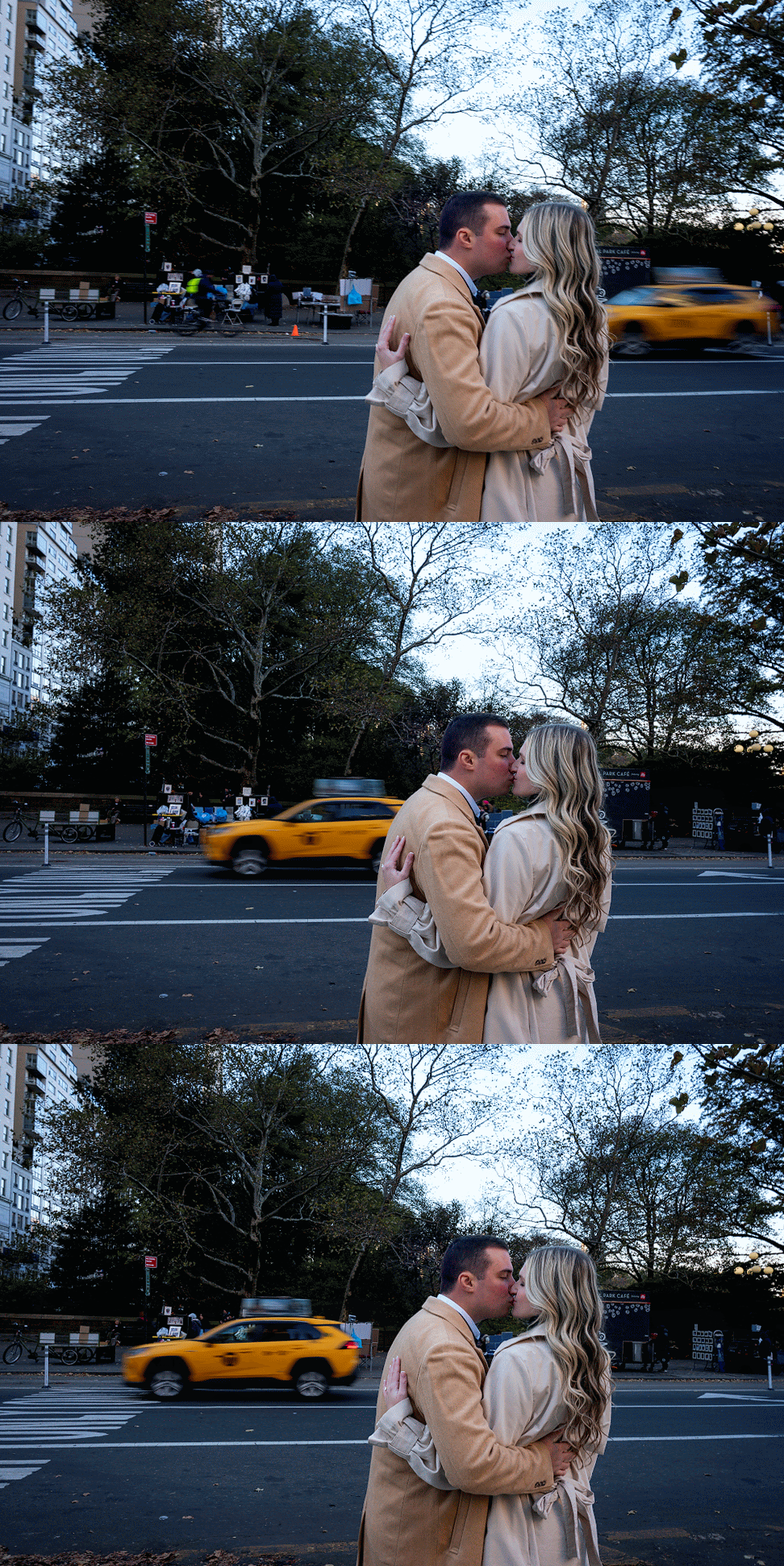
If you're not sure where to start, that's exactly what our planning conversation is for. We'll talk through your style as a couple, a location or two that fits it, and a timeline that gives us the best light — and by the time your wedding day comes around, you'll already know exactly what it's like to be photographed by me.